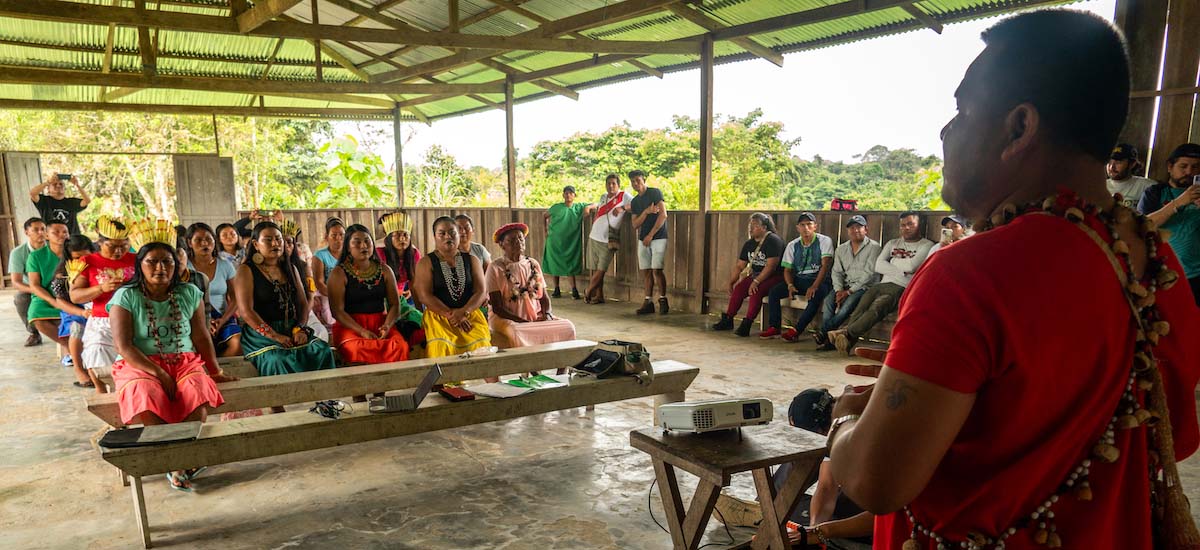

For Indigenous communities, meaningful connectivity can strengthen self-determination, expand access to education and economic opportunities, and help preserve languages, cultures, and knowledge. Yet many remain among the least connected communities in the world, often overlooked by traditional investment, infrastructure, and service models.
On this International Day of the World’s Indigenous Peoples, we recognize the leadership and knowledge of Indigenous peoples worldwide, as well as their right to shape their digital futures on their own terms.
According to the United Nations, there are more than 476 million Indigenous people worldwide, representing 6.2% of the global population. These communities belong to more than 5,000 distinct Indigenous groups across more than 90 countries.
Indigenous communities are extraordinarily diverse, with distinct geographies, histories, cultures, and systems of governance. They often share common threads: a profound spiritual and cultural connection to traditional territories, unique systems of governance, and a long history of resisting oppression, exclusion, and discrimination.
Today, they continue to lead movements for self-determination, environmental stewardship, the revitalization of languages and traditions, and, more recently, Internet connectivity.
Why Indigenous Connectivity Matters
In an increasingly interconnected world, the Internet has become an essential tool for communication, information access, and economic participation. Yet not all communities have shared equally in the benefits of the digital age.
Many Indigenous communities face challenges in building and accessing the Internet. Remote areas face costly infrastructure challenges, and historical exclusion means limited investment. A digital divide can result in low digital literacy, hindering full digital adoption and equity.
Meaningful connectivity expands access for emergency services, remote education, telemedicine, climate and agricultural monitoring, and economic opportunities. It also enables communities to share knowledge, strengthen language preservation, protect data, and tell their stories.
As Sharayah Lane, senior advisor for Indigenous community connectivity at the Internet Society, states: “Closing this gap requires advocating for communities that often go unnoticed. What we have learned over the years is that funding alone is not enough. Meaningful engagement and long-term partnerships are essential. This is the work the Internet Society has been doing for years, and it’s the work we continue to build on today.”
Advancing Indigenous connectivity focuses on partnering with Indigenous communities to bring affordable, reliable Internet access and addressing the challenges they face. This commitment extends across the work of the Internet Society and the Internet Society Foundation. By identifying Indigenous communities as a target population in our strategy and programs, we are deepening our focus on community-led solutions that address the barriers these communities continue to face.
Community-centered connectivity is one of the most effective ways to reach communities that traditional providers and models have left behind. Through the network of volunteer-led chapters and the Foundation’s work, the Internet Society has taken meaningful steps to empower Indigenous communities globally to get connected and stay online.
The following projects show what this commitment looks like in practice.
Amazon Always Connected
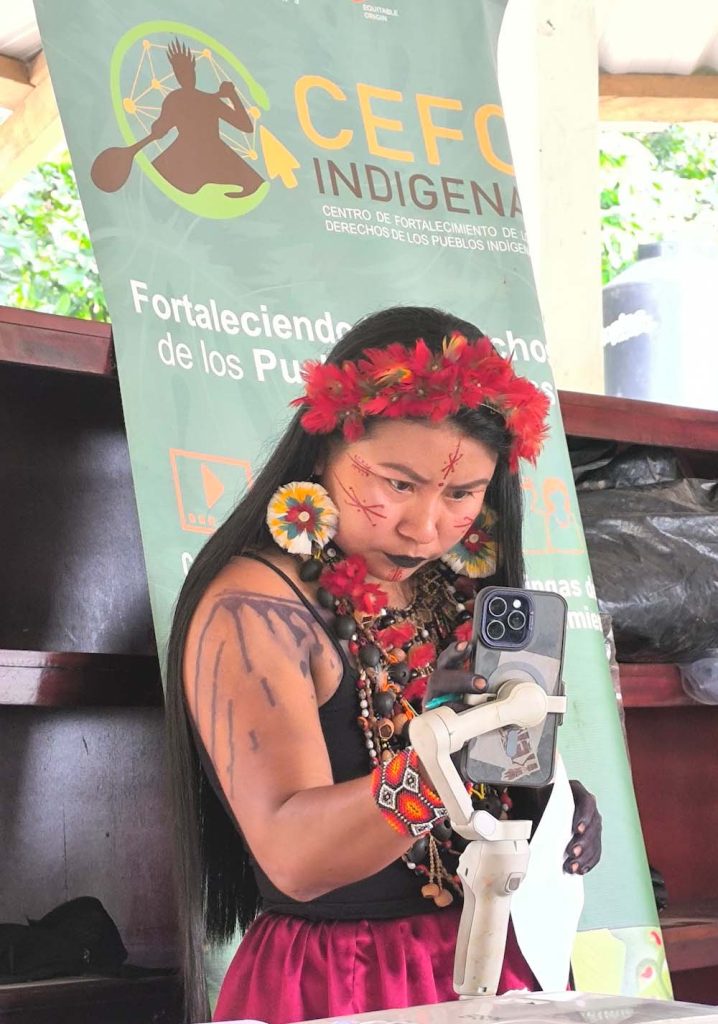
Home to the Siekopaai people for more than 3,000 years, the Amazon territories spanning Ecuador and Peru were, until recently, among the least connected in the region: fewer than 4% of communities in the Ecuadorian Amazon and just 2.5% in the Peruvian Amazon had access to high-speed Internet.
The project, Sianëtsio sikowa’i: Amazon Always Connected, implemented by TechSoup Global in partnership with Equitable Origin and supported by the Internet Society Foundation’s BOLT Grant Program, deployed community-owned Internet networks across six Siekopaai communities, reaching around 360 active users.
A defining feature of the project is its women-led governance model: 13 people were trained as community Internet promoters and network administrators, seven of them women.
“Now we can showcase our way of life through our community network. This is our cultural resistance,” said Liliana Payaguaje of the Keñao Women’s Association.
NANUM Mujeres Conectadas (NANUM Connected Women)
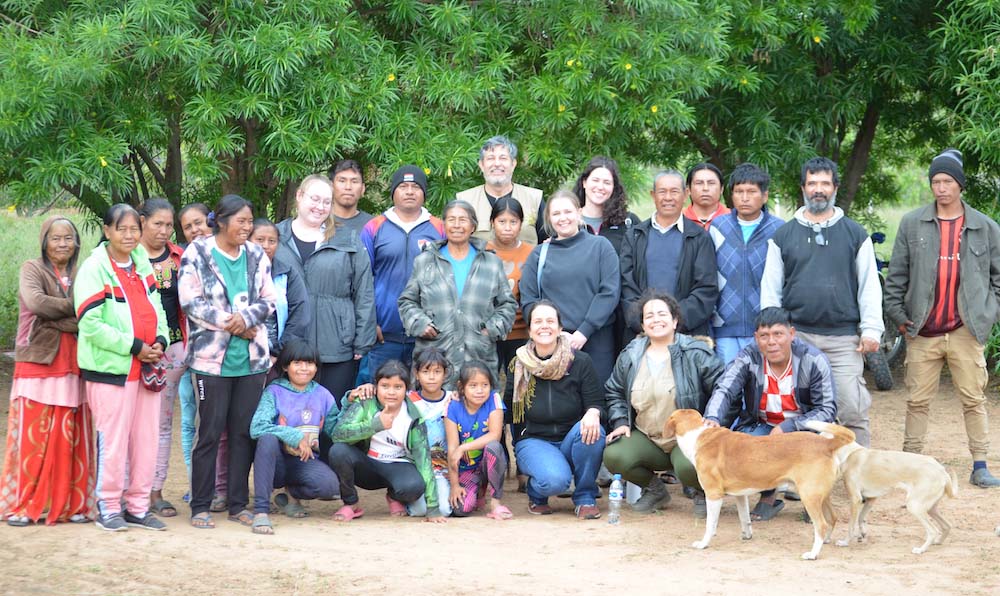
For over 20 years, Grupo SUNU has worked with Indigenous communities across Paraguay’s Gran Chaco to defend their rights. As a longtime Internet Society partner, it launched Nanum Mujeres Conectadas to increase digital literacy and connect women-led enterprises via community hubs.
This laid the groundwork for the NANUM Conectividad Resiliente project, implemented by TechSoup Global in partnership with Grupo SUNU and supported by the Internet Society Foundation’s Resiliency Grant Program, to upgrade 16 digital centers, expand networks, and train 400 community members in culturally adapted courses in Indigenous languages.
Internet and digital skills continue to transform people’s lives across the region, enabling women-led groups to use connectivity for business, community events, and cultural promotion; helping teachers and school administrators to access vital information and platforms; and supporting communities to stay connected and to tell their stories in their own words.
“We have the intelligence and the desire to learn, we just need a bit of support,” said a community member from Paraguay’s Santa Rosa community.
Since the partnership with the Internet Society began, NANUM Mujeres Conectadas has connected more than 5,000 people across the Gran Chaco region of Paraguay, Argentina, Bolivia, and Brazil.
Parará Puru Community Network
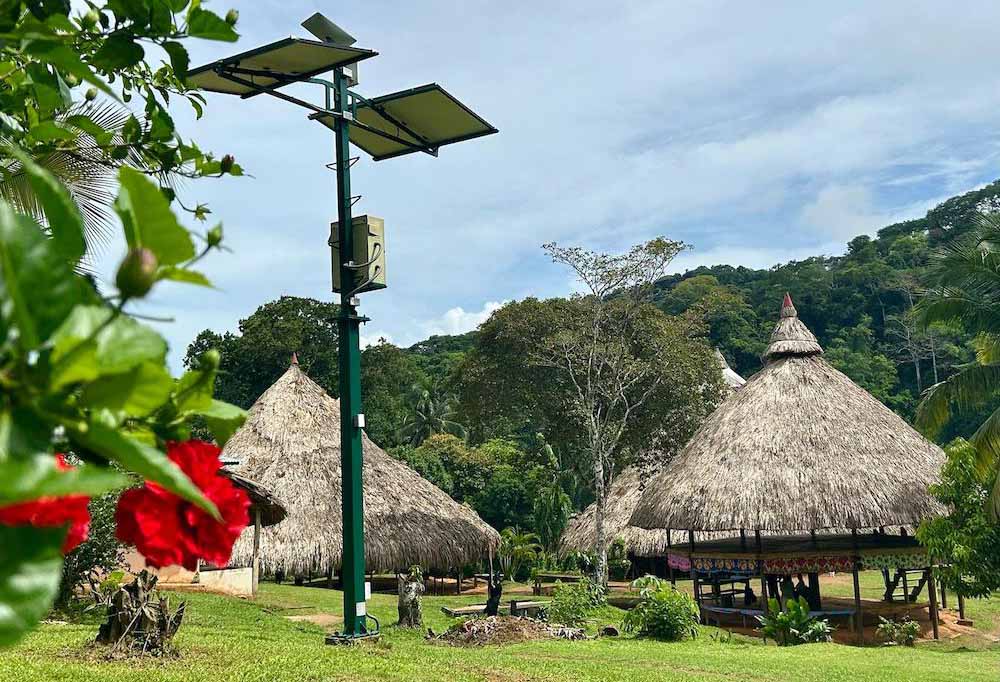
In the Emberá village of Parará Puru, in Panama, reaching a phone signal once meant traveling by boat to the mainland, followed by a bus trip. The Internet Society Panama Chapter, supported by the Internet Society Foundation’s Beyond the Net Grant Program, spent four years navigating bureaucratic, technical, and geographic hurdles to build Panama’s first community network.
Using a low Earth orbit satellite connection, the network now provides high-speed Internet and is managed by the community. Residents also received hands-on training to develop the skills needed to operate and sustain it.
“Indigenous communities are the most forgotten. Some live 20 to 30 minutes from the city and yet don’t have Internet access,” said Julio Lezcano, director of the Panama Chapter’s Community Networks Committee.
The project has become a model for community connectivity in Panama, and the Panama Chapter and the Emberá people of Parará Puru are now advocating for connectivity in other Emberá and Indigenous communities across the country.
Tribal Broadband Bootcamp
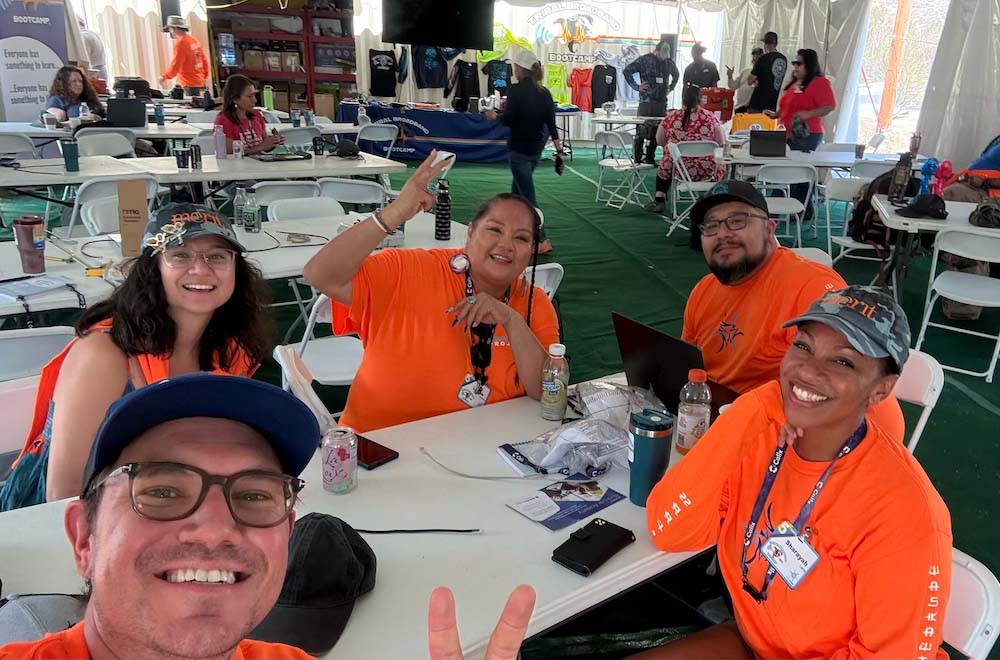
The work of the Internet Society Foundation’s earliest investments in Indigenous connectivity continues to bear fruit years later: the Tribal Broadband Bootcamp has worked with more than 100 Tribal nations and trained more than 500 emerging leaders from Tribal communities over the past 5 years. With initial funding for bootcamps from the Foundation in 2022, this initiative has become one of the most important efforts in Indigenous connectivity in the United States.
In 2026, our team attended the Tribal Broadband Bootcamp’s five-year celebration, a week-long gathering of more than 50 participants for hands-on training in fiber splicing, geolocating, tower climbing, wireless network deployment, digital equity, funding and financing, and policy advocacy.
“To see an organization grow so much in scope, reach, and impact was a wonderful experience. To know that the Internet Society Foundation made the early investment in Indigenous connectivity made it an honor to be there. One of my favorite parts was seeing the fiber splicing session led by a group from the Pueblo of Jemez, fluently speaking their language with one another as they shared that their digital equity work is done primarily in their Native language,” said Sharayah Lane.
Online Trust and Safety Pilot Training
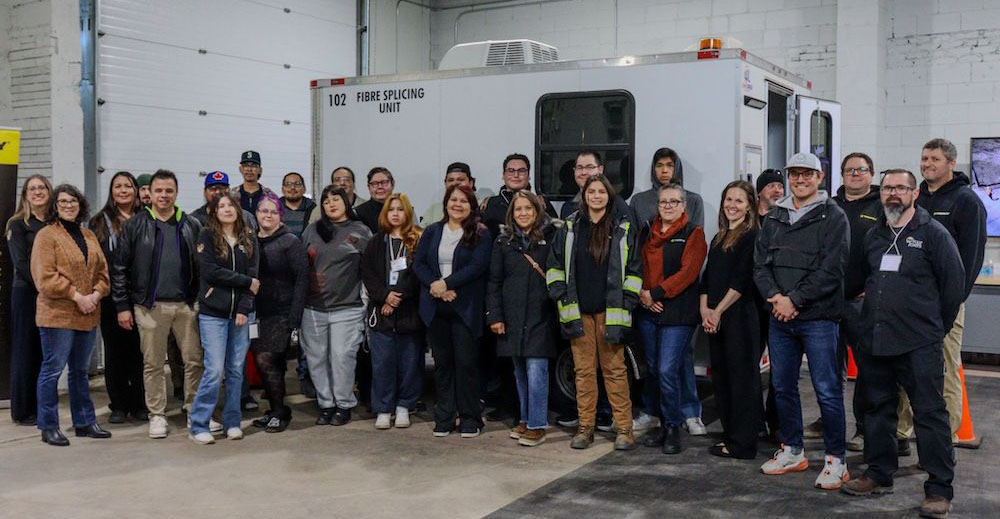
The Internet Society’s first online trust and safety pilot training event took place in Thunder Bay, Canada, as part of the Indigenous Connectivity Institute’s three-day connectivity workshop for the Matawa Tribal Council.
There were 30 participants, including Indigenous Guardians, a program that trains youth to be environmental observers for their communities. Part of this role involves gathering community data for the Environmental Knowledge Lodge, where community science is securely stored, protected, and preserved for access only by the respective communities. Participants also included employees of Matawa First Nations’ Four Rivers Environmental Services Group.
Continuing to Build
The Internet Society and the Internet Society Foundation are committed to advancing a globally connected, open, secure, and trustworthy Internet. We will continue to build on partnerships, technical expertise, and community knowledge to foster innovative solutions that connect the unconnected.
As we advance our mission to promote, protect, and defend the Internet, we walk alongside Indigenous communities as partners, supporting the networks they design, lead, and sustain on their own terms.
Learn more about digital inclusion and indigenous connectivity, why we should all care about Indigenous connectivity, and the Tribal Broadband Bootcamps.
Image © Equitable Origin, © Grupo SUNU, © Tribal Broadband Bootcamp, © Indigenous Connectivity Institute