
Internet exchange points (IXPs) have the potential to make the Internet faster, cheaper, and more reliable for everyone who uses the Internet.
In Asia-Pacific, there’s a strong Internet community, but only a few countries have fully functioning IXPs. Other IXPs in the region are at different levels of development, with different experiences.
Learn about three different IXP models in Asia-Pacific.
In Japan: The Open Commercial Model
Japan Network Access Point (JPNAP) is an open, carrier-owned, for-profit, neutral Internet exchange point. It has a growing influence on other IXPs in the region and hopes to expand its reach soon. Katsuyasu Toyama, JPNAP’s Chief Operating Officer, explains how it operates and how it interacts with other IXPs in the region.
In Thailand: The Technical Community-Led Model
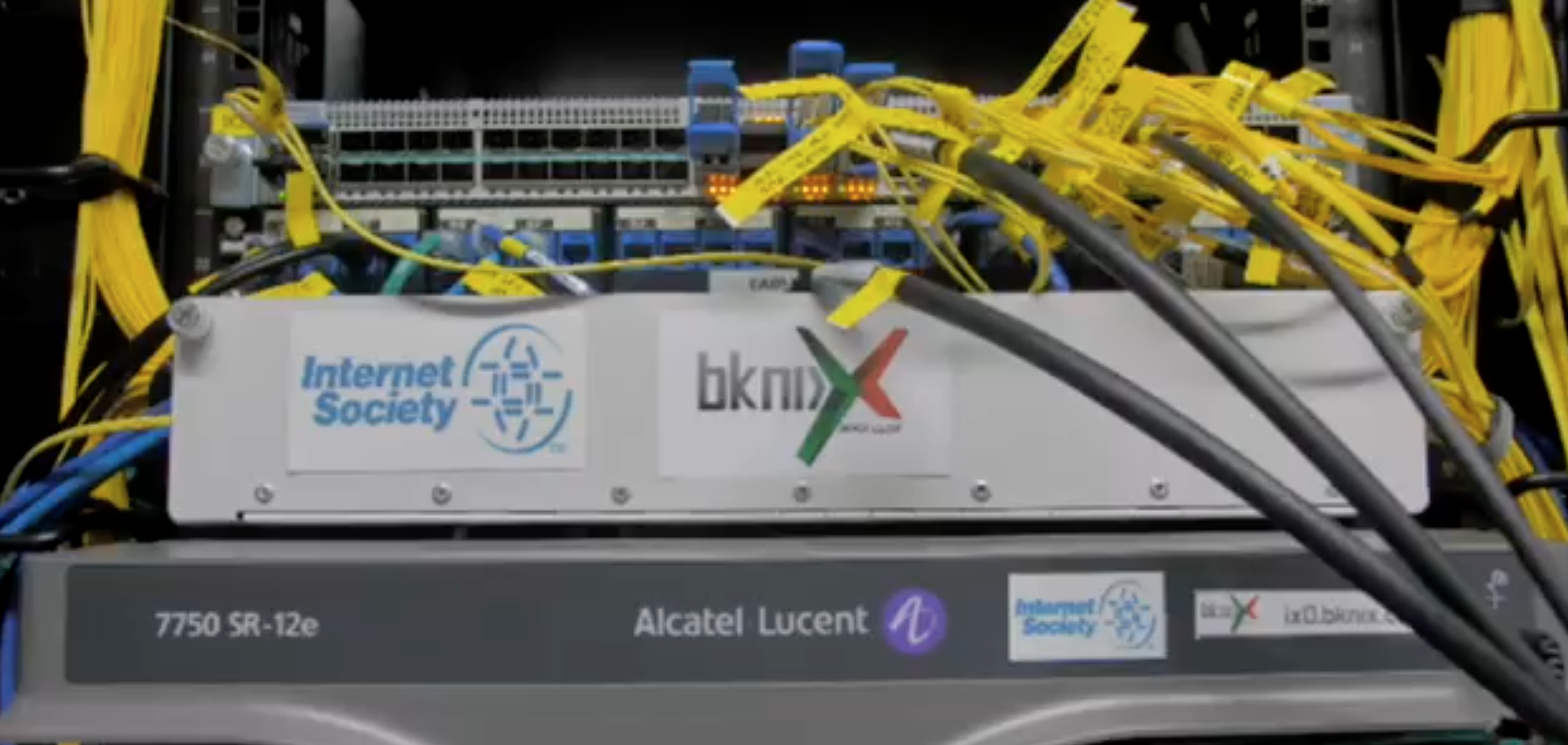
After agreeing to set up an exchange point in 2013, members of the technical Internet community in Thailand worked together to develop BKNIX, the country’s first neutral Internet exchange point. As a neutral IXP, BKNIX works to ensure local traffic remains local, keep costs low, and improve the quality of service for Internet users in Bangkok. It has points of presence in three locations in Bangkok so far.
In Pakistan: Where Government Takes the Lead on IXPs
If there is a vibrant Internet exchange point today in Pakistan, it’s because of strong government involvement in the development process. The government, led by the Pakistan Telecom Authority (PTA), first initiated consultations on how to set up an IXP in 2015, then worked with industry actors in 2019 to develop partnerships to build IXPs in the country. Today, Pakistan has two IXPs, in Islamabad and Karachi. These help keep Internet traffic local and make the Internet faster and affordable.