At Bilkent University in Ankara, students sit at desks littered with bookbags and bottles of water. It looks like a typical classroom, except for the makeup of the students, school-age girls. When the instructor asks a question, the room comes alive. “Who wants to code again after today?”
The hands shoot up.
The students are participating in Coding Sisters, a program that teaches coding to girls. Soon they are grinning as they raise their certificates of completion into the air. They yell in unison, “Hello world!”
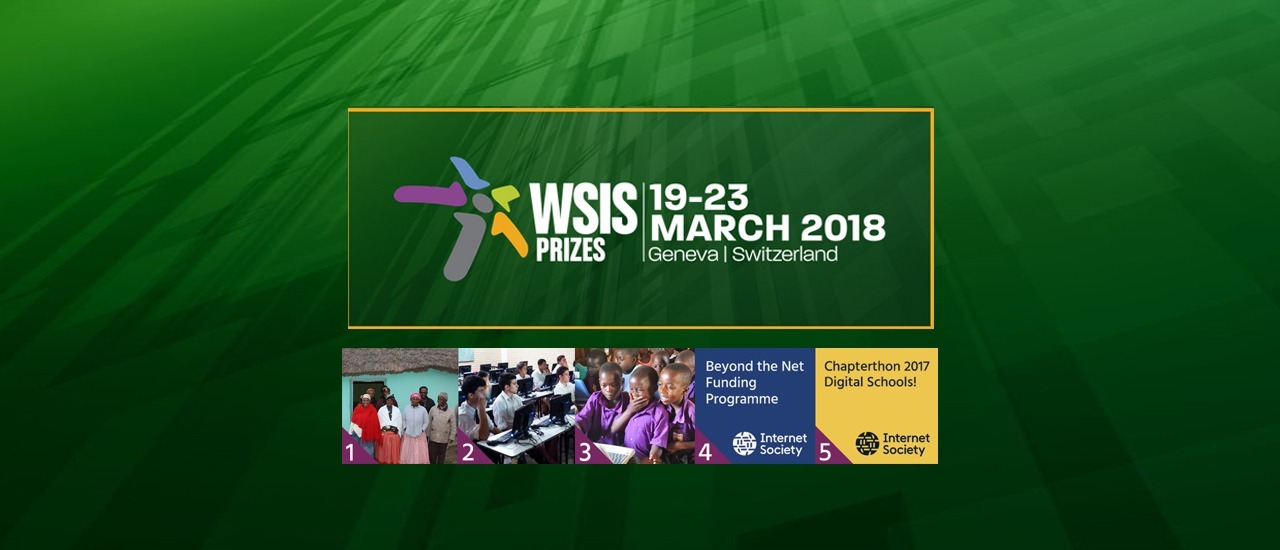
The project was funded by the Internet Society’s “Digital schools!” Chapterthon 2017, in partnership with Wikimedia Foundation. From October to November 2017, 30 projects from around the world came together to bring educational opportunities to children, especially girls. Chapterthon has been nominated for a series of prizes to be given out at the World Summit on the Information Society (WSIS), an annual United Nations-sponsored summit focused on the role information and communication plays in our world. The WSIS Prizes recognize individuals and organizations that advance the Sustainable Development Goals: 17 global goals dedicated to building a better world by 2030.
Four other innovative, Internet Society-funded projects have been nominated: Zenzeleni Networks in rural South Africa, where one of the most economically disadvantaged communities in the country became a telecom operator; Colegio Nacional de Lambaré, where the Paraguay Chapter created a computer lab and access to fixed broadband at an economically disadvantaged school; e-Daara of Thieyetou, where the Senegal Chapter created a digital hub at a school in the remote village of Thieyetou, bringing Internet and other digital resources to teachers, students, and their families; and the Beyond the Net Programme, which funds projects at the local level to cover everything from education to policymaking, teaching technical skills to at-risk young people, and helping local engineers deploy leading technology.
These nominees show that there are many paths to closing the digital divide, but they all share common traits: Vision. Creativity. Innovation.
The Internet is for everybody, but we must think differently if we are going to connect the next billion. Today it’s helping girls complete a coding course. Tomorrow those girls could bring digital innovation to their own communities.
You can help close the digital divide! Learn more about Beyond the Net grants and how you can help shape tomorrow.
And don’t forget to vote for these innovative projects! The project winners will be announced during WSIS Prizes 2018 Ceremony at the WSIS Forum 2018 in Geneva, 19-23 March 2018.