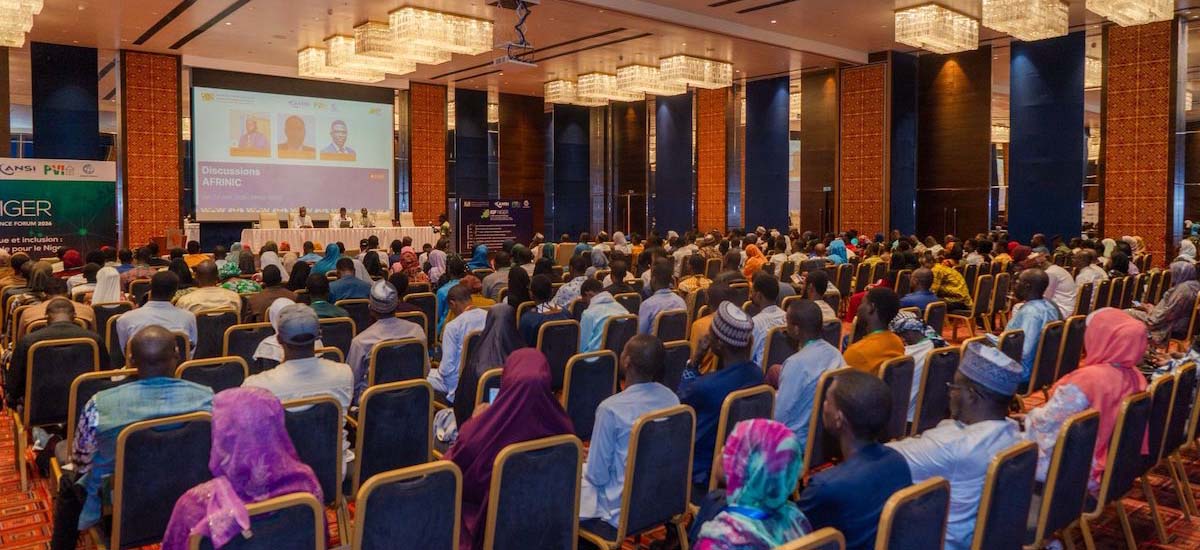

Around the world, our community works locally, regionally, and globally to keep the Internet a force for good: open, globally connected, secure, and trustworthy. Here is an overview of just some of their activities over the last few weeks.
Online Trust and Safety
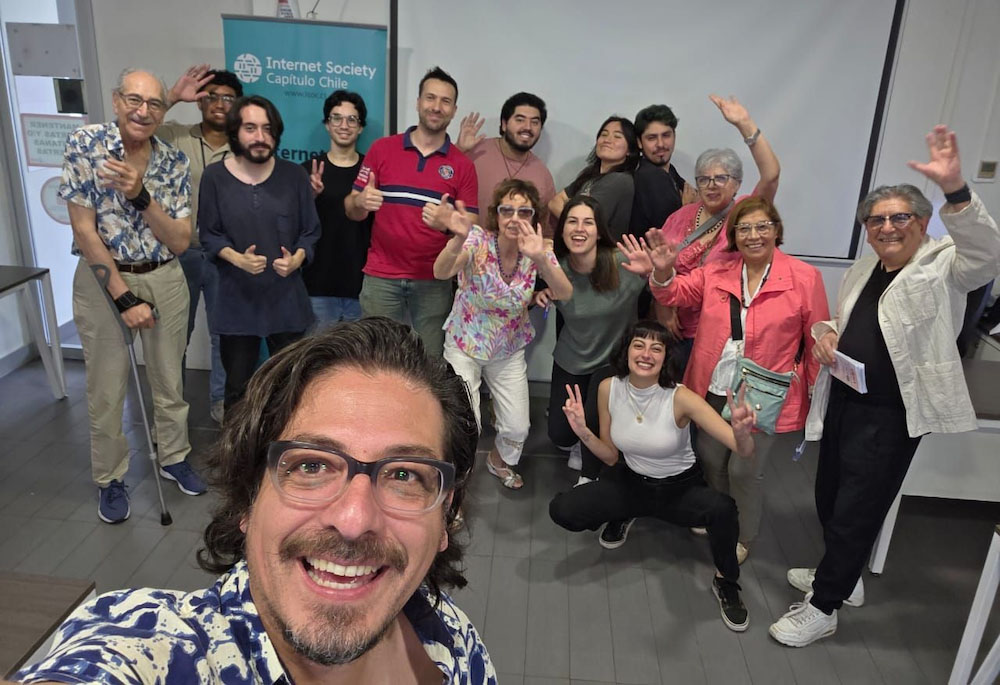
🇨🇱 Chile Chapter collaborated with the Facultad de Psicología UDP to deliver a digital literacy workshop for older adults as part of the Learning and Citizenship program. The session focused on basic digital skills, safe Internet use, and building confidence in navigating online spaces. This initiative highlights the importance of not only expanding connectivity, but also ensuring that everyone, especially older generations, has the tools and knowledge to fully benefit from the Internet.
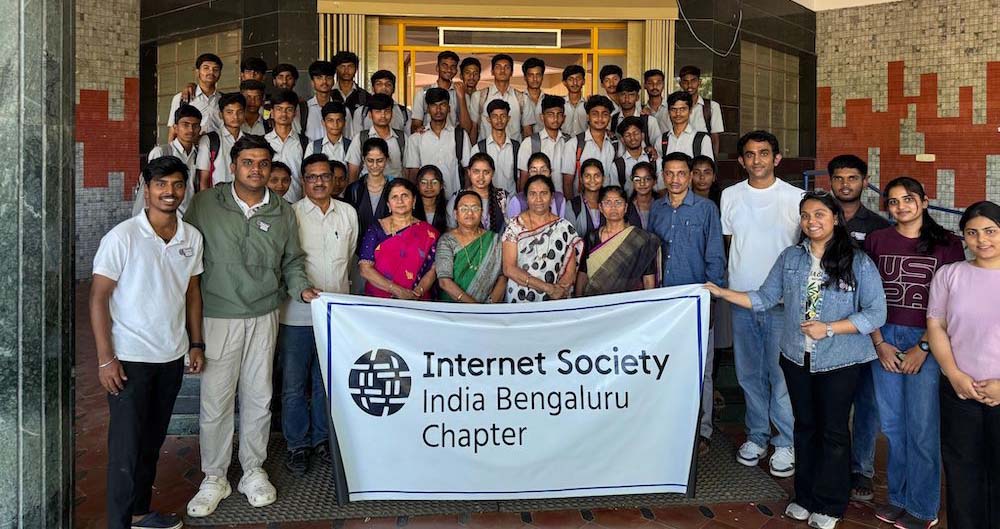
🇮🇳 India Bengaluru Chapter carried out outreach at a rural polytechnic college in Davanagere, Karnataka, introducing students to the fundamentals of the Internet in their native language and using visual aids. The chapter made learning both relatable and engaging, while encouraging young people to use the Internet responsibly and securely.
Online scams are at an all-time high. Read our Anatomy of a Scam blog post and learn how to stay safe online.
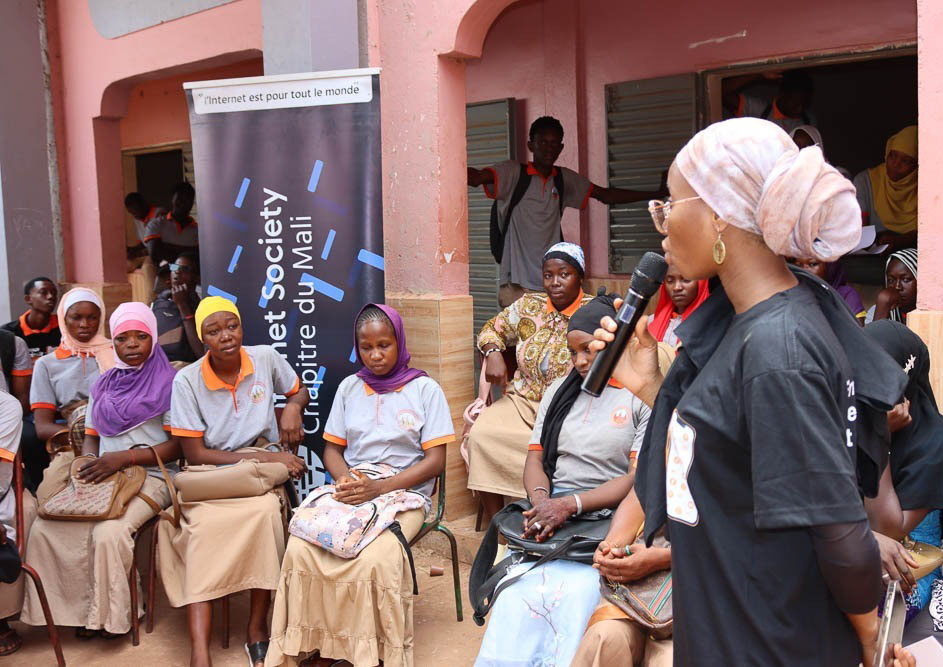
🇧🇯 Benin, 🇰🇪 Kenya, 🇲🇱 Mali, 🇳🇬 Nigeria, 🇹🇬 Togo Chapters, and several other chapters marked International Girls in ICT Day with awareness‑raising and capacity‑building activities. These initiatives focused on inspiring girls and young women to pursue opportunities in technology, strengthening Internet safety skills, and reinforcing the importance of digital inclusion.
🇻🇪 Venezuela Chapter organized a large-scale awareness event, Navigating the Future: Cybersecurity Strategies for the School Environment, for 350 educators as part of the Aprendiendo a Querer program. The masterclass addressed practical aspects of digital footprint management, autonomy, and safety in the classroom. This initiative is part of the chapter’s national strategy to prevent risks such as cyberbullying, fostering a safer educational environment for future generations.
Connectivity
🇵🇪 Peru Chapter hosted a webinar on Community-Driven Connectivity Solutions, bringing together experts to address the persistent digital divide, especially in rural areas where connectivity remains limited. During the session, speakers highlighted the role of community networks as a sustainable and inclusive model that enables local communities to actively design, build, and manage their own connectivity solutions.
Learn how to build a network for your community in our Building Wireless Community Networks training course.
Policy and Internet Governance
Canada Chapter hosted a Digital Access Day event, which focused on how to build stronger capacity in AI, cloud, and networks without breaking the open, global Internet. The day was composed of panels and featured guest speakers from the Canadian government, the private sector, Canada Manitoba Chapter, and Internet Society staff. Further, all of the chapters in Canada were part of a community advocacy effort—a letter-writing campaign for Canadians to write to their local member of parliament to reject Canadian Bill C-22. Over 280 letters were sent to MPs across Canada.
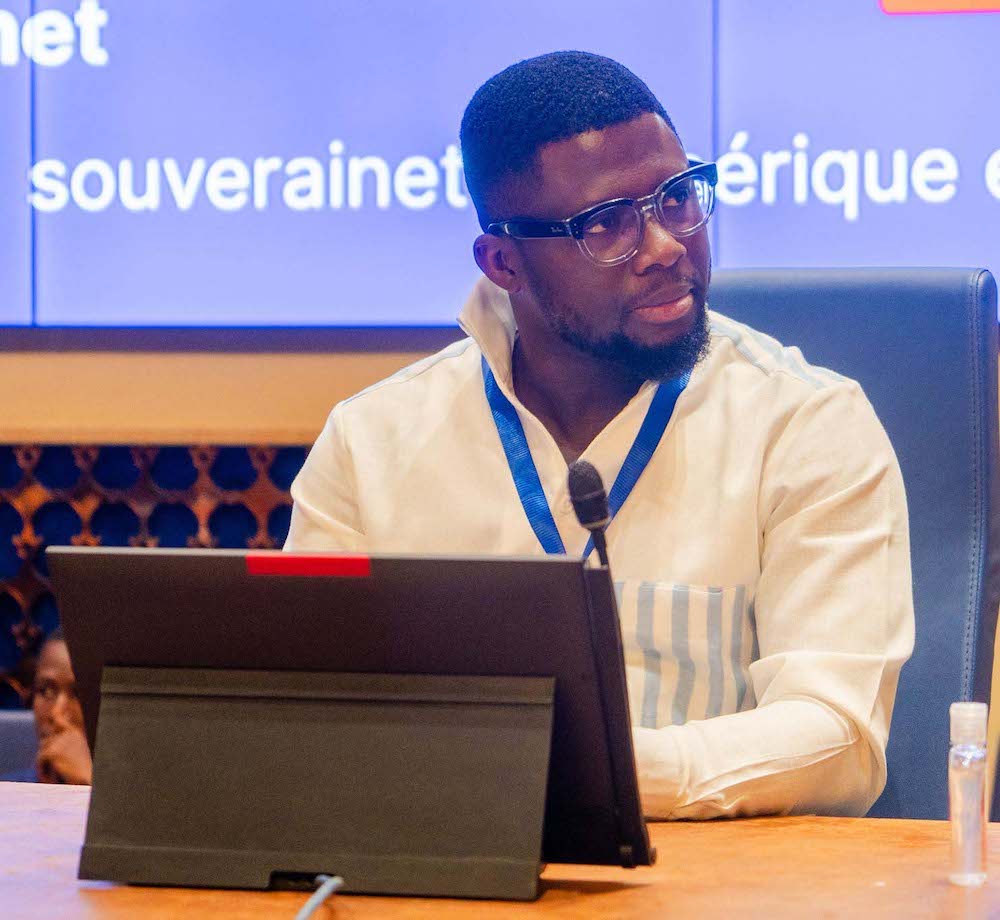
🇳🇪 Niger Chapter successfully co‑organized the second edition of the Niger National Internet Governance Forum, a forum that it helped to establish last year. The event convened national stakeholders and featured cross‑chapter expertise with the participation of 🇹🇬 Togo Chapter President Emmanuel Elolo.
🇵🇹 Portugal Chapter co-organized a lecture as part of its multidisciplinary lecture series on Internet governance challenges alongside the Portuguese Engineering Association. The sessions explored cybersecurity, privacy, artificial intelligence, and ethics in today’s complex digital landscape. Experts from law enforcement, academia, engineering, and social sciences contributed diverse perspectives.
How the Internet Works
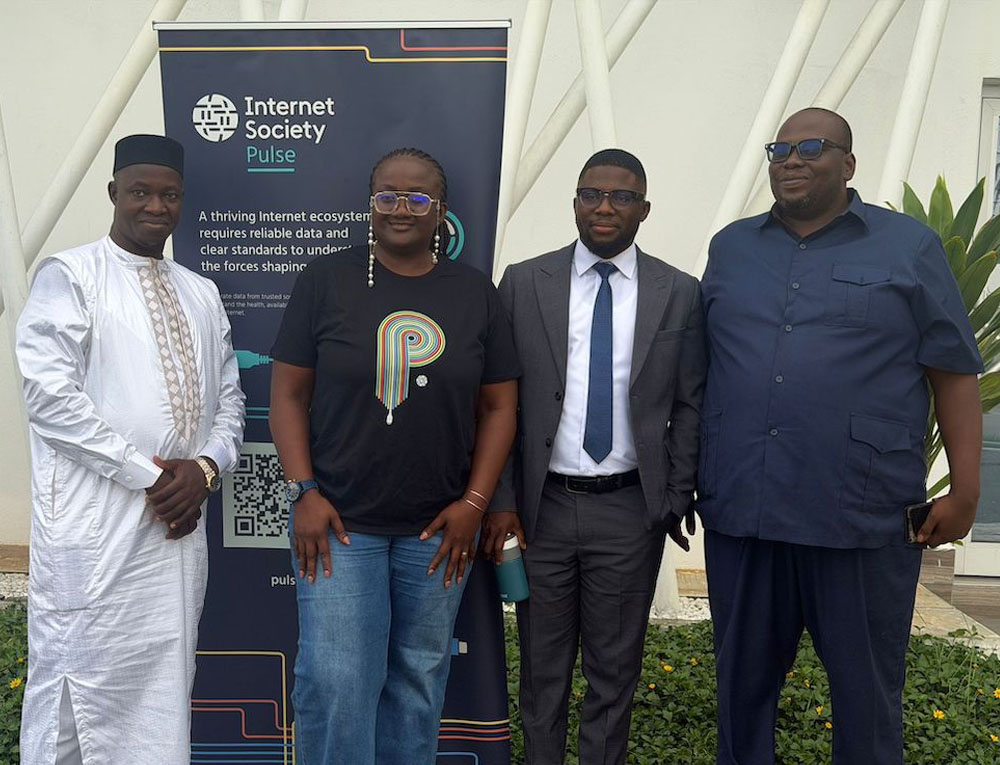
🇨🇮 Cote d’Ivoire Chapter, in collaboration with the Internet Society, organized a Pulse Internet Measurement Forum (PIMF). PIMFs provide an opportunity to learn about multiple projects that measure the development and resilience of the Internet and how the data can be used for research and reports. Chapter leaders from Mali, Togo, Sierra Leone, and Côte d’Ivoire Chapters came together for the forum—a great example of peer learning and regional cooperation.
🇮🇳 India Hyderabad and 🇵🇰 Pakistan Islamabad Chapters celebrated Universal Acceptance (UA) Day to promote a multilingual Internet where all domain names and email addresses, regardless of script, language, or character set, work across digital systems. Their efforts highlight the importance of inclusivity and accessibility in today’s interconnected world.
🇮🇱 Israel Chapter has expanded its long-running public FOSS mirror infrastructure to strengthen open-source availability across the region. The mirror, which has been operated for over 15 years, supports developers, researchers, and institutions with high-speed access. New upgrades more than double capacity, enabling additional distributions like Rocky Linux. The initiative reflects the importance of nonprofit-led infrastructure for resilience and accessibility.
🇯🇵 Japan Chapter organized its 40th commemorative workshop under the theme ‘A Message to Future Network Engineers,’ with participants exploring the growing need for expertise in AI, cloud, and security. The workshop underscored that these technologies cannot function without strong infrastructure, raising concerns about a shortage of skilled network professionals.
Learn more about how the Internet works.
🇳🇪 Niger Chapter hosted a webinar on Understanding Network Routing: From Static Routing to Dynamic Protocols (RIP, OSPF, EIGRP). The session focused on core routing concepts, comparing static and dynamic routing and exploring their strengths and limitations. The webinar was aimed at students, network administrators, and networking enthusiasts, and saw strong local participation.
🇻🇪 Venezuela Chapter held UA Tech Boost Day at the Central University of Venezuela (UCV), in collaboration with ICANN and VENOG. The event focused on Universal Acceptance (UA), with the aim of strengthening the technical community and promoting a truly global Internet.
Capacity Building
🇰🇬 Kyrgyzstan Chapter organized a Girls in ICT DiscoTech Forum with partner organizations. The event brought together diverse role models, including ICT leaders, UN managers, and inspiring achievers, with speakers aiming to encourage young women to explore careers in technology.
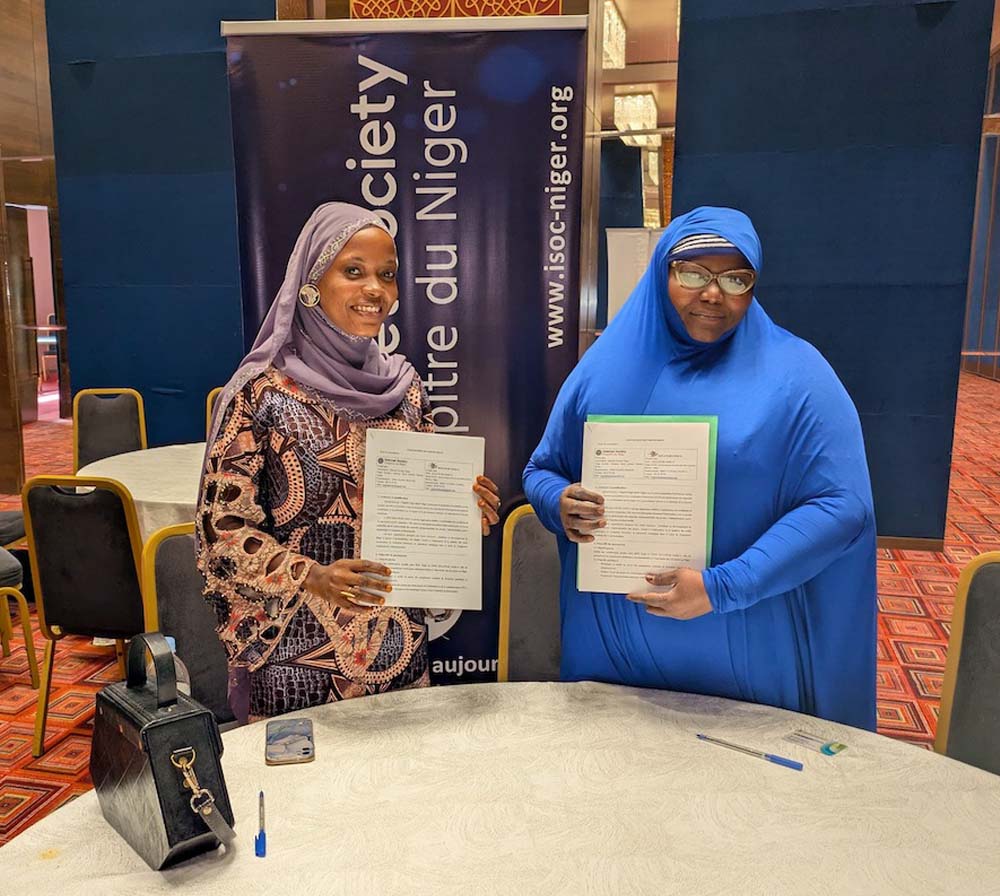
🇳🇪 Niger Chapter formalized a strategic partnership agreement with Kulawar Jama’a, a local NGO deeply rooted in youth empowerment. At the heart of this partnership is the Empowerment Academy program, focused on building digital skills, entrepreneurial mindset, and innovation capacity among young people in Niger.
🇷🇸 Serbia Chapter engaged in the HEIstorical project to strengthen regional collaboration in research and innovation.The initiative involves partners from Croatia, Romania, Bulgaria, and Turkey, with discussions focusing on joint research opportunities and knowledge exchange.
🇹🇿 Tanzania Chapter, in collaboration with IEEE Connecting the Unconnected and the Tanzania Internet Governance Forum, hosted a webinar on innovation, research, and technology, featuring Dr. Nazar Nicholas, former chapter president, as guest speaker. And the chapter’s E-TAP E-Waste Tanzania project has been nominated for a WSIS Prize. This youth-led initiative turns e-waste into opportunity, advances climate action and the green economy, and builds a sustainable future for Tanzania.
Alumni
The Internet Society Alumni Network is an interactive network of Internet champions around the world. Our alumni have had a great month protecting, defending, and growing the Internet. Take a look at what kept them busy this month in this overview.
Get involved! Find your local Internet Society chapter or join a special interest group to take action to make global change.
Image © Niger IGF, © Internet Society Chile Chapter, © Internet Society India Bengaluru Chapter, © Internet Society Mali Chapter, © Internet Society Niger Chapter, © Internet Society Cote d’Ivoire Chapter, © Internet Society Niger Chapter