The Southeast Asia region is one of the fastest growing regions in the world today. With rich natural resources, it has evolved into a highly industrialized region, inviting investors from all over the world. The riches however, are not enjoyed by all. According to one ASEAN report, close to 36 million of its population are still living below the international poverty line, with 90% of these people in Indonesia or the Philippines.
Realizing that ASEAN’s greatest asset is its people, various initiatives have been carried out to promote community-driven activities and people-to-people interactions aimed at narrowing the income gap in the region. Today, it still remains relevant for ASEAN member states to partner with private organizations to identify and finance poverty eradication programs in order to realize the Sustainable Development Goals and ASEAN Vision 2025.
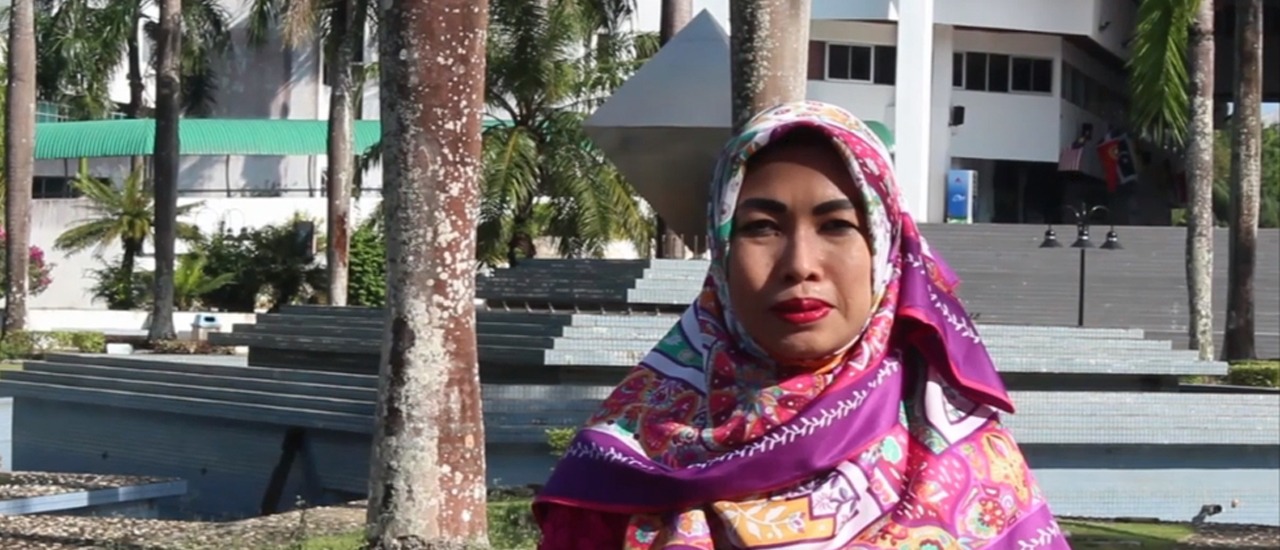
The Internet Society Malaysia Chapter, through the Beyond the Net Medium & Large Grant programme, and in collaboration with Malaysian’s Ministry of Women, Family and Community Development, the University Utara Malaysia, and the Council of Deans for ICT Eduction (Region IX) Philippines, aims to train 400 women in Malaysia and the Philippines to use the MyHelper crowdsourcing application so that they can earn extra income by performing non-digital tasks. This three-pronged project provides opportunities for women to develop essential entrepreneurial skills through ICT, empowers women to start their own businesses, and use the Internet to improve their livelihoods.
MyHelper Mobile Apps
MyHelper is a mobile-based crowdsourcing application which allows people to seek and perform non-digital tasks in order to supplement their income. Built on the Android platform, the application is free and easy to use. The application also is easily customizable so that it can be used in other countries where English is not the primary language.
Under this program, volunteers are engaged to train and support women in their development efforts. The Internet Society Malaysia Chapter believes that poverty eradication requires a multidimensional approach which encompasses education, health, and standard of living, and can only be achieved via sustainable, holistic, and inclusive strategies that include the development of human capital.
This article was originally published on https://intercrowd.blogspot.com/.
We’re looking for ideas from people all over the world on how to make their community better using the Internet. The Internet Society Beyond the Net Funding Programme funds projects up to $30,000.00 USD.