Connectivity

A quarter of the world is still offline. We’re changing that.

A quarter of the world is still offline. We’re changing that.

There are over 2 billion people without access to the Internet. Many more are connected, but not to affordable and reliable services. That’s why our global community is working to close the digital divide and make sure that no matter where people live, they can enjoy all the benefits the Internet has to offer.

The communities most affected by the digital divide are also among the most marginalized. Women, Indigenous Peoples, and displaced populations often face unique barriers to connectivity. Changing this takes passion and creativity. And it takes resources.

We push this change in three ways: we pool resources from partners to fund people building solutions to close the digital divide. We provide people with the expertise and technical components they need to establish resilient, affordable Internet access. And, together, we advocate for policies that help grow the Internet and create a safe online environment for all.

Connectivity

A quarter of the world is still offline. We’re changing that.

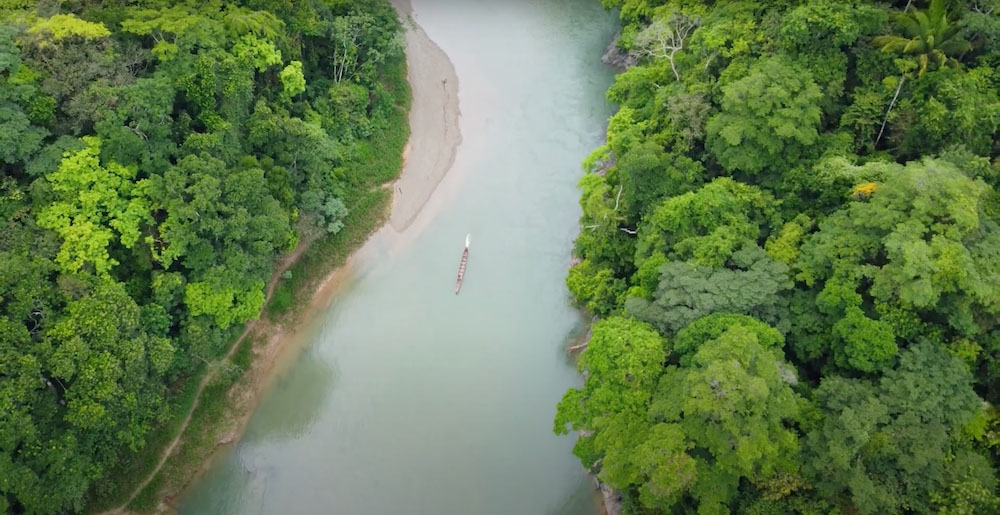
A boat moves down the center of the Chagres River

There are about 2 billion people without access to the Internet. Many more are connected, but not to affordable and reliable services.

That’s why our global community is working to close the digital divide and make sure that no matter where people live, they can enjoy all the benefits the Internet has to offer.

The communities most affected by the digital divide are also among the most marginalized. Women, Indigenous Peoples, and displaced populations often face unique barriers to connectivity. Changing this takes passion and creativity. And it takes resources.

We push this change in three ways: we pool resources from partners to fund people building solutions to close the digital divide. We provide people with the expertise and technical components they need to establish resilient, affordable Internet access. And, together, we advocate for policies that help grow the Internet and create a safe online environment for all.

Key Connectivity Links

Key Connectivity Resources
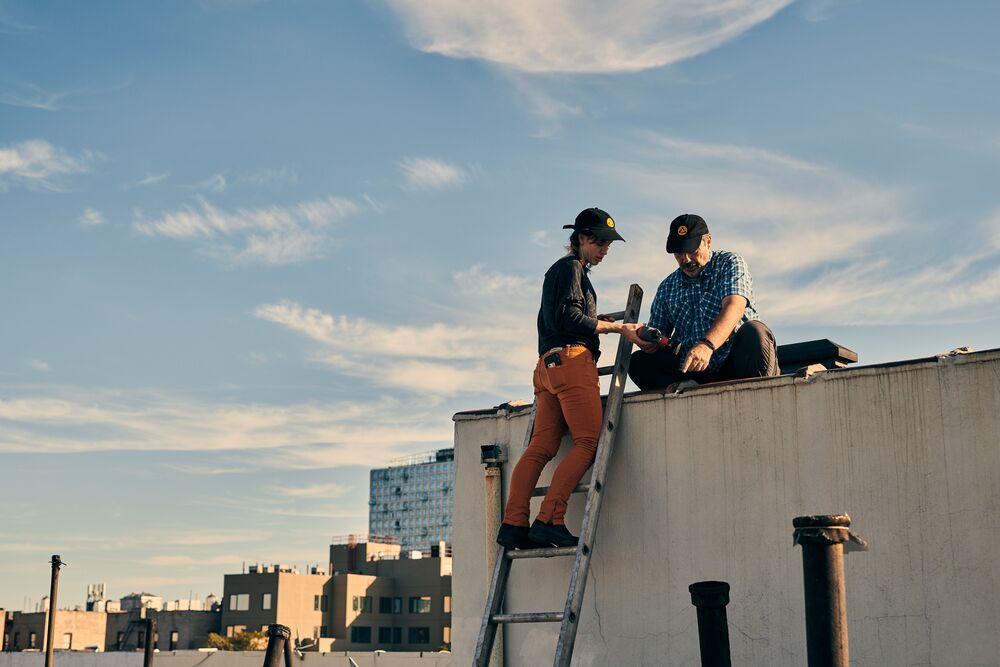
Two men standing on a rooftop, gazing intently at an unseen object

Community-Centered Connectivity

Skills, financing, infrastructure, partnerships, and regulation all play a key role in Internet access.

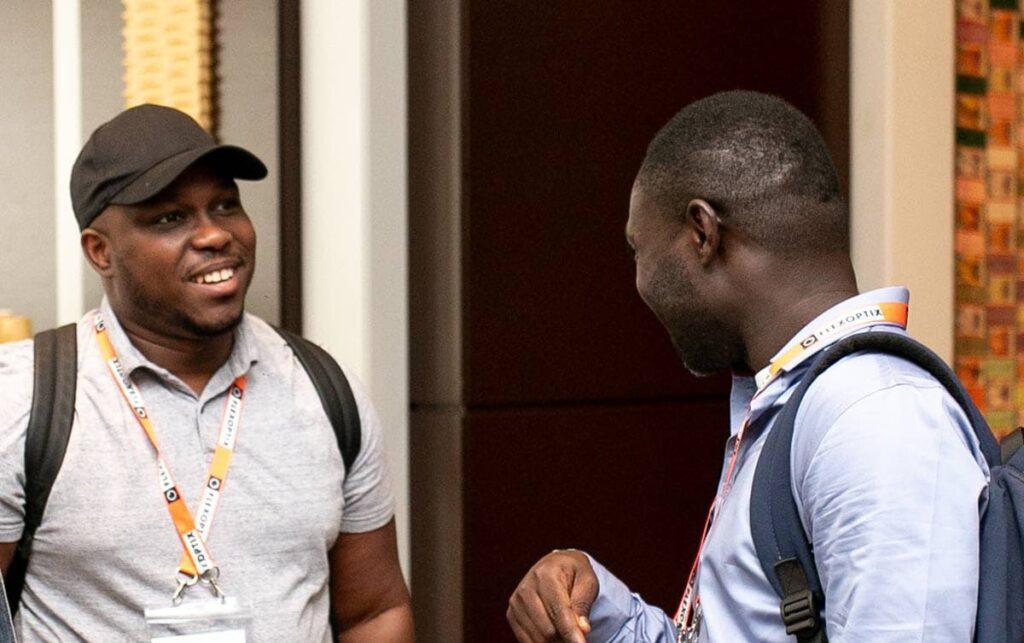
Two men speaking with each other at a peering event

Sustainable Peering Infrastructure

Peering makes connectivity cheaper, better, and more reliable by using Internet Exchange Points (IXPs).

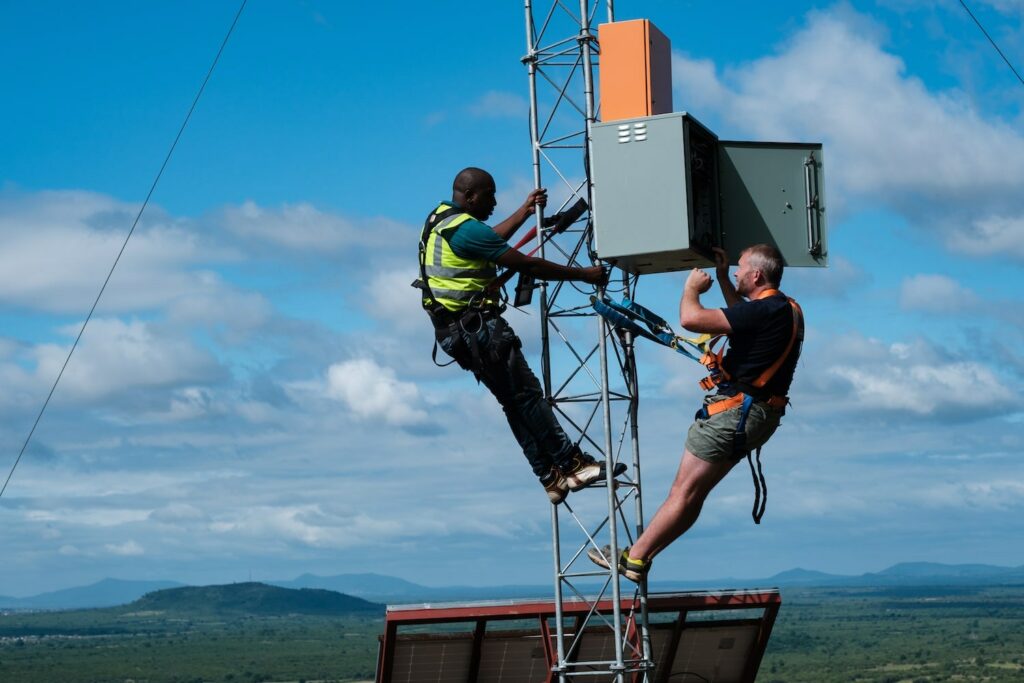
two men climbing on an antenna

Standards that Help Grow the Internet

We promote standards, such as IPv6 and Open Fiber Data Standards, to make the Internet more reliable for everyone.

A person capturing a photograph of a picturesque village

Internet Shutdowns

Internet shutdowns are intentional disruptions of Internet connectivity, cutting access or making it effectively unavailable for a specific population, location, or mode of access.

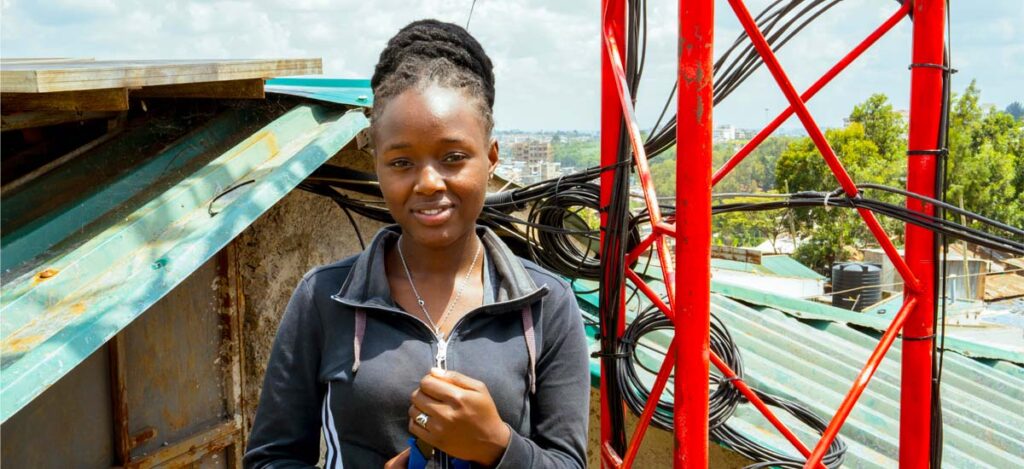
A woman stands in front of a tall red tower

Internet Resilience

A resilient Internet connection is one that can maintain an acceptable level of service in the face of faults and challenges to normal operation.

Three people standing in a circle having a conversation during the Internet Development Conference

Policy and Advocacy

We engage with policymakers to create an enabling environment for community-centered connectivity solutions.

Making the Internet More Reliable in Panama

Making the Internet More Reliable in Panama

If you send a WhatsApp message to your friend in a neighboring town, why should the data have to travel to another country first just to ultimately reach someone close to you? In Panama, peering keeps data local, improving Internet speed, cost, and reliability.

Latest Updates

Latest Updates

From Refugee to Digital Leader: How Justin Is Helping to Connect Rhino Camp

Justin Lisisa Lobela’s story reflects how community-centered connectivity can create pathways for education and self-reliance for displaced communities …

The World Cup of Internet Resilience

While the best football team will win the FIFA World Cup, how does your country compare in the World Cup …

Community-Centered Connectivity Initiatives Earn Viddy Awards Recognition

Our global community works tirelessly to expand connectivity, educate users, and build the Internet we want—an Internet for everyone. We …

Zombie IXPs: The Four Types of Exchanges That Refuse to Die, but Fail to Live

Zombie IXPs are operating on autopilot, with little planning, investment, or new peers. But they don’t all look the same, and can emerge from different governance models and challenges …

The Shift in Peering Threatening the Internet’s Foundations

As more Internet service providers become virtual peering partners, they begin neglecting Internet exchange points …

From Email to Case Study: What We Learned About Connecting Refugee Communities in Just One Year 

In Uganda’s Rhino Camp Refugee Settlement, we helped train refugees and community members to use the Internet and build their …

Community-Centered Connectivity in Rhino Camp Refugee Settlement, Uganda

Internet Society and partners empower Rhino Camp Refugee Settlement in Uganda with community‑owned connectivity, digital skills, and sustainable inclusion …

Local Infrastructure, Lower Costs: How Peering Is Moving the Needle on Internet Affordability

Local infrastructure impacts Internet affordability for users: if the cost is lower and speed and reliability are higher, providers can …

The Peering Disconnect

This report examines the risks of centralized and virtual peering, showing how monopolies and outages threaten resilience, and why local …

Image copyright:
© Internet Society, © Chris Gregory, © Victor Ndonnang/Internet Society, © Nyani Quarmyne, © Ed Mukoma/Internet Society Foundation, © Flawless Events