Peering: Building an Affordable and Reliable Internet

Building a solid Internet foundation takes time, effort, and trust.

Building a solid Internet foundation takes time, effort, and trust.

If you needed to send a gift to your neighbor, you wouldn’t mail it across the country and back first, would you? For much of the world, this is how Internet traffic is routed. This is why we need Internet exchange points (IXPs), which allow networks to exchange traffic locally, and a sustainable peering infrastructure to keep the Internet resilient.

Peering happens when networks agree to exchange traffic with each other through IXPs. Networks can keep traffic local, provide faster connections, and improve the experience of people relying on them. Because they no longer need to route traffic via expensive international links, connectivity costs drop, too. They also improve overall network performance and resiliency.

Peering: Building an Affordable and Reliable Internet

Building a solid Internet foundation takes time, effort, and trust.

a picturesque mountain and greenery

If you needed to get a git to your neighbor, you wouldn’t mail it across the country and back first, would you? For much of the world, this is how Internet traffic is routed. This is why we need Internet exchange points (IXPs), which allow networks to exchange traffic locally, and a sustainable peering infrastructure to keep the Internet resilient.

Peering happens when networks agree to exchange traffic with each other through IXPs. Networks can keep traffic local, provide faster connections, and improve the experience of people relying on them. Because they no longer need to route traffic via expensive international links, connectivity costs drop, too. They also improve overall network performance and resiliency.

What Are Internet Peering and Internet Exchange Points?

What Are Internet Peering and Internet Exchange Points?

Peering is when Internet networks connect directly to exchange traffic locally without charging each other instead of routing it through national or regional networks, which can make data traffic slower and more expensive. By peering—often at Internet exchange points (IXPs)—networks can route data more efficiently, reducing latency and costs.

At IXPs or other interconnection facilities, networks such as Internet service providers, mobile operators, and content delivery networks establish direct links to exchange traffic. This setup allows data to flow straight between networks, creating faster, more reliable, and more cost-effective Internet connections for users.

Peering infrastructure keeps data exchanges local rather than sending them through distant routes. Without it, even traffic between nearby users—like a video call in the same town—may travel across the country or abroad, causing delays and interruptions. Local peering improves speed, reliability, and resilience, helping communities stay connected even during international disruptions.

With a sustainable and reliable peering infrastructure, you get:

  • Faster speeds: Data travels shorter distances between networks, reducing latency and improving performance. No more lagging in games!
  • Lower costs: Networks avoid paying transit fees to third-party providers, which can reduce service fees for users.
  • Local content exchange: Traffic between nearby users and services stays local, improving access to regional content and services. When content is exchanged locally, people can access the content they need faster, like quickly loading a movie on a streaming service or talking to someone on a video call.
  • Reliability advantages: Local routing keeps connections stable and resilient, even if international links are disrupted.

How We Address Global Inequality

How We Address Global Inequality

We build Internet infrastructure and tackle global inequality by:

  • Supporting partners to build and expand IXPs through the funding program, where we provide funds for new and existing IXPs.
  • Helping existing IXPs mature and advance by providing technical, developmental, policy, and regulatory support.
  • Partnering with regional IXP associations.
  • Continuing to support peering events across the globe to showcase best practices, like AfPIF and our Peering Roadshows and Workshops.
  • Advancing the 50/50 Vision.

Get Involved

Get Involved
Get Funding

Apply for a grant to help you build or improve an Internet exchange point.

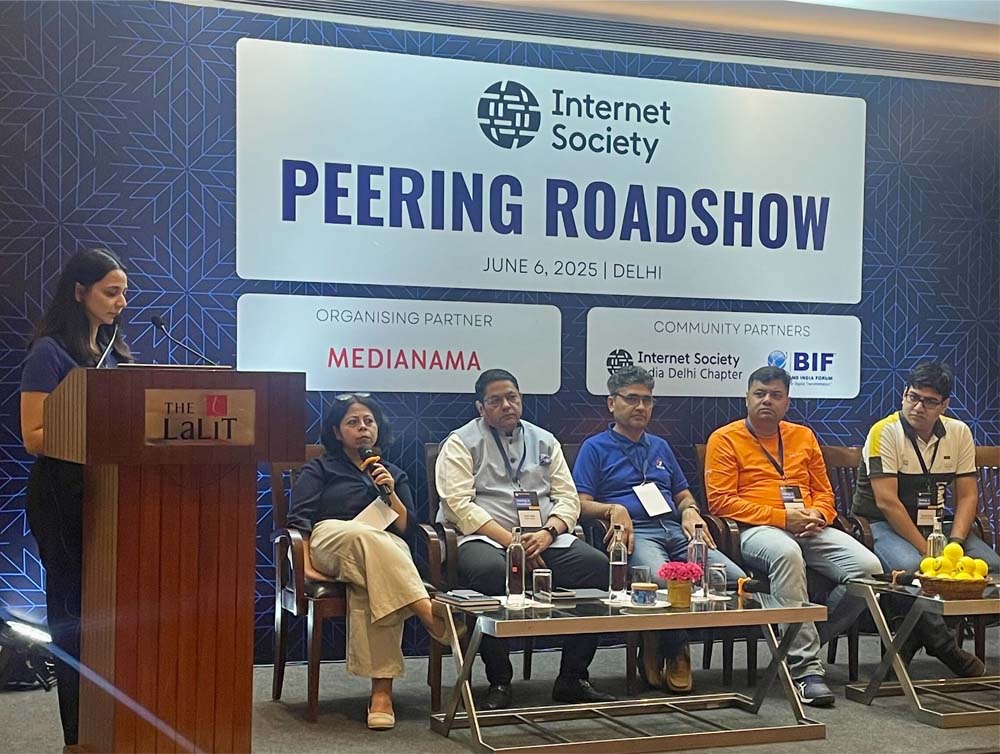
The Internet Society Peering Roadshow in Delhi

Attend a Peering Event or Workshop

Find a peering event or workshop near you and connect with the local technical community.

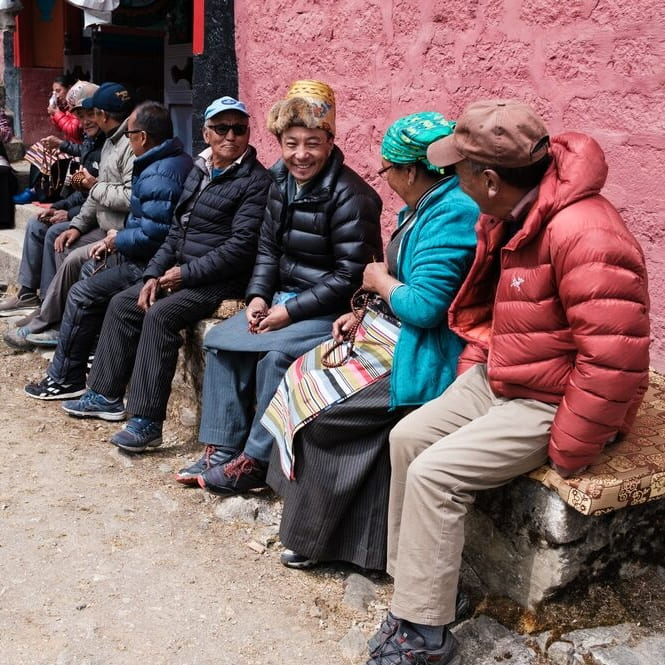
A diverse group of individuals seated on a bench outdoors

Support the Connectivity Co-Funding Initiative

Partner with us in investing in initiatives that are building a more resilient Internet.

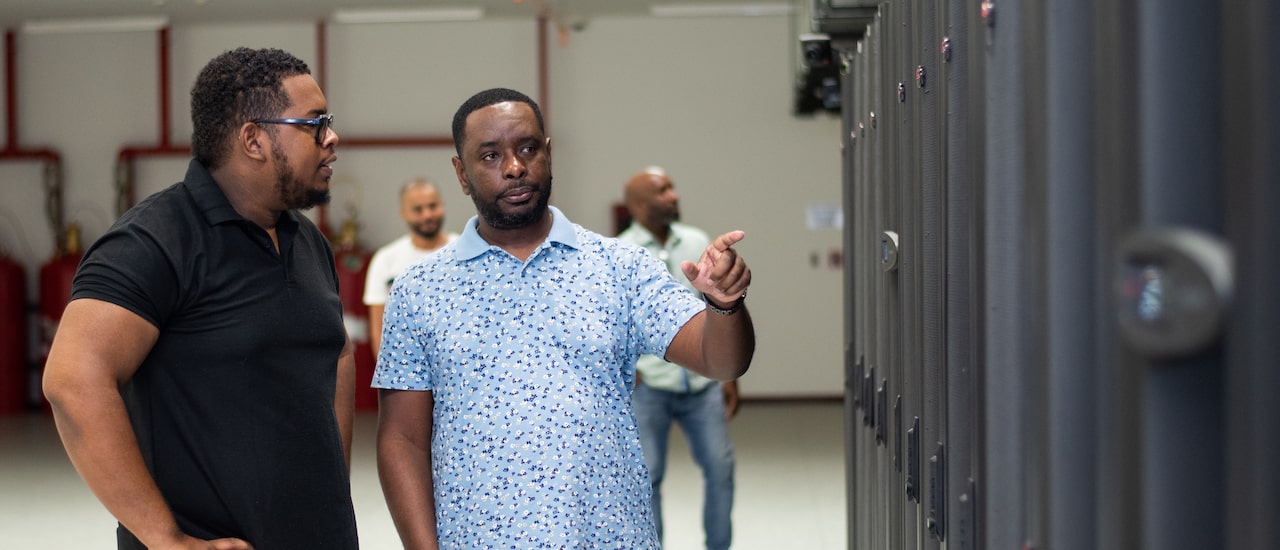
two men talk while one of them pointing finger at a wall

Learn from Other IXPs

See the stories behind the Internet exchange points that are making the Internet more affordable and reliable.

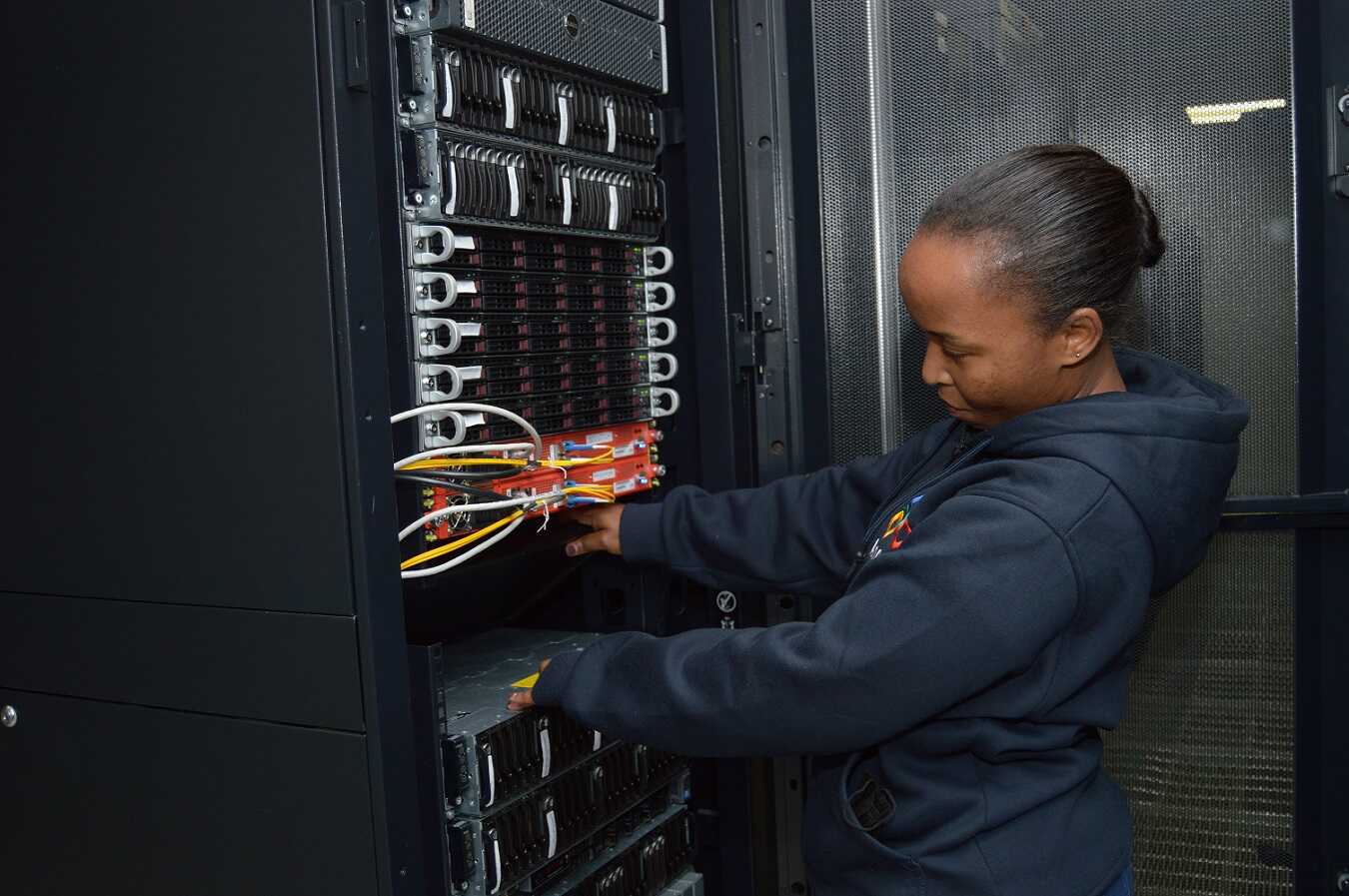
A woman checking IXP equipment

Explore Global Data on IXPs

Internet Society Pulse tracks the health, growth, and availability of IXPs around the world.

Latest Updates

Latest Updates

Moving the Needle on Universal and Meaningful Access 

The latest International Telecommunication Union connectivity statistics remind us how much progress we’ve made and how far we still have …

World Telecommunication Development Conference 2025 (WTDC-25)

Creating the conditions to expand Internet access requires decisive action from governments. How can they help close the global digital …

ISOC Day at Africa Internet Summit 2025

The Africa Internet Summit (AIS) is an annual, regional, multi-stakeholder ICT conference held by the African Network Operators Group (AfNOG) …

Is Your IXP at Risk of Becoming a “Zombie”?

Over time, some Internet exchange points (IXPs) begin to operate on autopilot—what we call “Zombie IXPs.” This can diminish performance …

Central Africa Peering Forum 2025

The Central Africa Peering Forum (CAPF, or FPAC in French) brings together players in the Internet ecosystem in the Central …

West Africa Peering Forum (WAPF) 2025

Event Objectives Promoting the development of a robust and sustainable Internet ecosystem in West Africa by encouraging local interconnection and …

Local Businesses Benefit from Burkina Faso’s Internet Development

The Burkina Faso Internet Exchange (BFIX) is helping to keep Internet traffic local and build the country’s Internet resilience …

All About Peering: What It Is, How It’s Done, and Why We Need It

Peering is a fundamental part of how the Internet works. It allows networks to exchange traffic directly, reducing reliance on …

Community-Driven IXPs 

This report focuses on community-driven IXPs, which are fundamental in supporting sustainable and resilient Internet infrastructure …

Peering and Internet Exchange Points FAQs

Peering and Internet Exchange Points FAQs

Image copyright:
© Nyani Quarmyne, © Chris Gregory, © Victor Ndonnang/Internet Society, © Nyani Quarmyne, © Ed Mukoma/Internet Society Foundation, © Randy Berghout, © Yegon Emmanuel