A Once-Overlooked Tool: How Community Networks Connected Haiti and the World
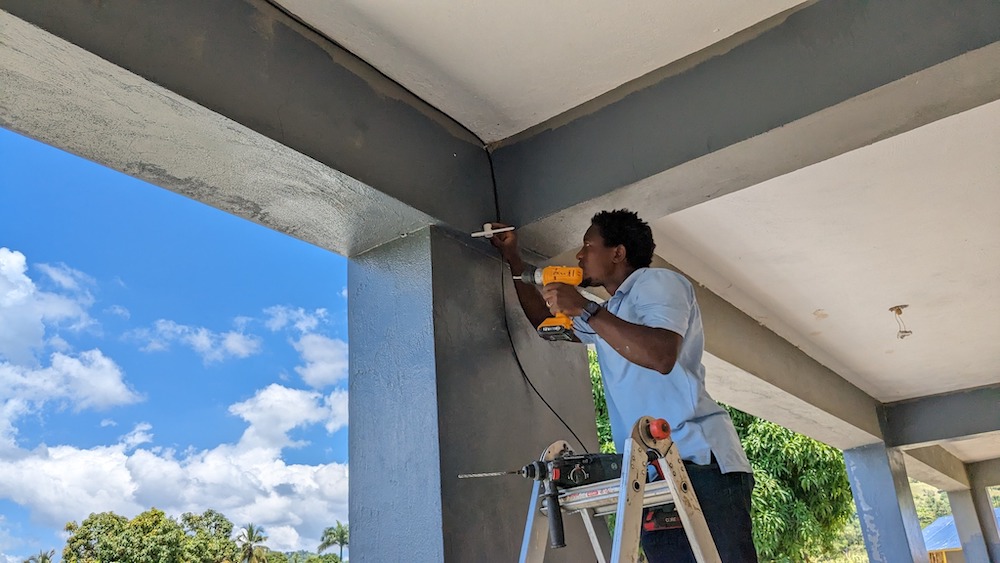
A community network is so much more than wires and routers. For a woman living in Baradères, Haiti, a community network made it possible for her to video call and finally meet her grandchildren who live in the United States.
For others, community networks enable them to attend school, sell products, and find resources in times of crisis. They connect us across towns, across borders, and across the globe.
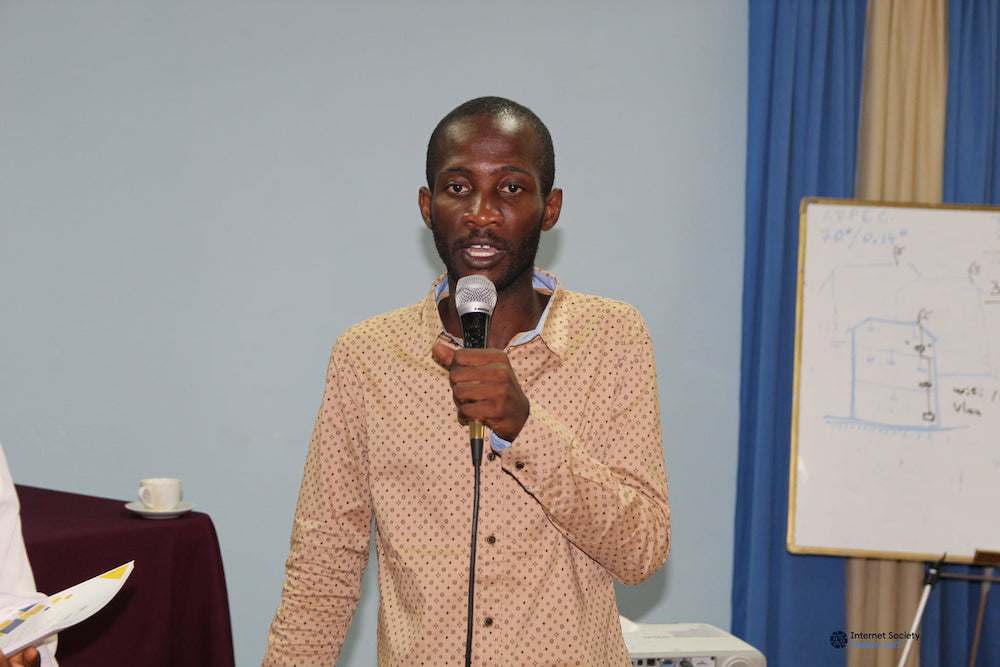
“The goal to connect everyone is to improve their lives,” said Obed Sindy, board member and former president of the Internet Society Haiti Chapter. “Everyone deserves to have access to the Internet.”
Community networks are a by-the-people, for-the-people approach to connectivity. Local residents deploy and operate them to meet their unique communication needs and bring affordable Internet to the area.
They first started popping up decades ago, but their journey to mainstream discussion and celebration within the Internet governance ecosystem took much longer.

An Overlooked Tool
About eight years ago, the Internet Society launched an advocacy campaign to spread the concept of community networks—which were already used in the Asia-Pacific region—globally.
“We received a lot of pushback,” recalled Sebastian Bellagamba, our vice president for external and community engagement who used to lead the initiative. “The concept of community networks couldn’t fly for many years.”
The idea of community-led projects didn’t resonate well with governments, who didn’t want to make exceptions to their regulations, or telecommunication operators, who had unfounded worries about profit losses.
Even Sebastian was skeptical of community networks when he first heard about them, wondering how much of a difference they could actually make. But he came around when he stopped only thinking about the number of people each one connected. Instead, he focused on creating an enabling environment for community networks to thrive and serve the people other providers wouldn’t.

It wasn’t just national entities that presented barriers. In 2022, at the International Telecommunication Union (ITU) World Telecommunication Development Conference in Kigali, Rwanda, the Internet Society team was working on a telecommunication development report and they ran into a challenge: the term ‘community network’ was not accepted and they weren’t allowed to use it.
The team compromised, and since they couldn’t mention community networks by name, they used alternate language like ‘complementary access solutions’ instead. And this was still a huge win—they were able to sell the idea behind community networks, even if the language hadn’t quite caught up.
Making a Difference with Community Networks
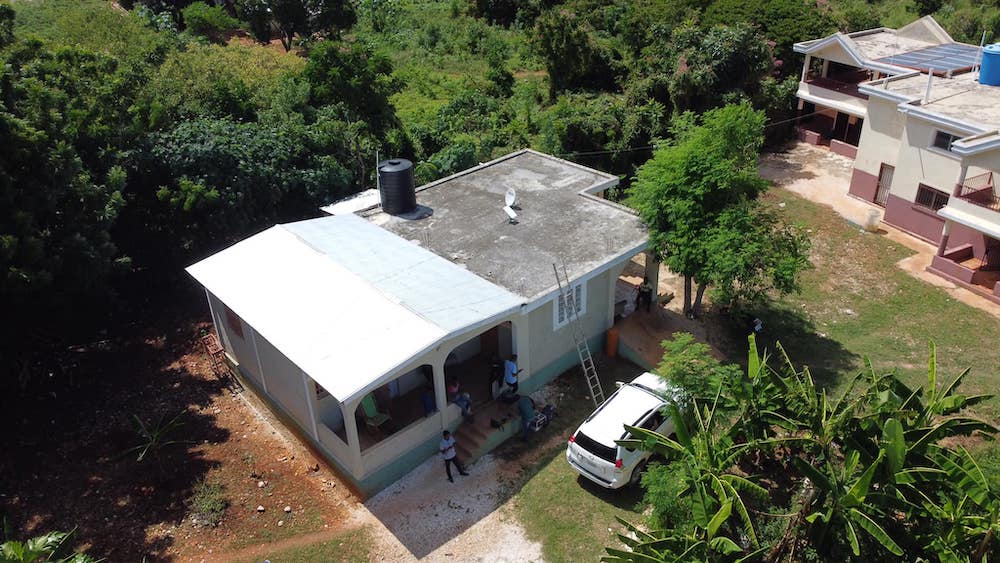
No one knows the power of community networks better than people who have seen their benefits firsthand, like the members of our Haiti Chapter, who have used them to connect thousands of people and respond to Haiti’s unique needs and challenges.
The chapter has partnered with several universities, for instance, to ensure that students can access online learning and other educational resources. In Port-au-Prince, where many universities are located, there is a high level of gang violence. Distance learning, already a key equity tool, is even more critical when many students cannot safely attend in-person classes.


As an island nation in the Caribbean, Haiti is also particularly prone to earthquakes, hurricanes, and other extreme weather events. Resilient connectivity is crucial in situations like these, so people can access information and resources. The chapter has worked with the national police and crisis management to provide connectivity support to help facilitate communication in times of crisis.
The reality is, for every community network, there is a story behind it.”
Max recalled that the chapter has worked with more than 30 stakeholders and actors in Haiti to provide connectivity, including universities, secondary schools, the Ministry of Public Works, and the Ministry of Culture. They have even worked with the Haitian Chess Federation to help organize a national championship and with small farmers so they can access pricing information.
Tapping Into Community
The Haiti Chapter has come a long way and had many successes in expanding connectivity. But to get to where they are now, they have worked with and learned from the regional and global Internet communities.
When Max first heard about community networks, it was from an Internet Society publication about an initiative in India. “We need to have that,” he remembers thinking. “It was a way to connect the unconnected, and I found that very cool.”
After the Haiti Chapter was formally established in 2018 and launched its own community networks initiative, the first step was to learn from other communities that had successfully deployed them.

Reading about something is never the same as seeing it in person, and with the support of the Internet Society Foundation, the chapter sent a Haitian expert to both India and Argentina to observe their local community networks.
What we learned is the power of advocacy and the power of learning.”
The chapter also connects with the broader community through its heavy involvement in the Internet governance ecosystem. The chapter organizes the Haitian School of Internet Governance, as well as the Haiti Internet Governance Forum.
“It is very important for us to get all the stakeholders in the Haitian Internet ecosystem involved,” said Max. The event gathers people from academia, civil society, regulators, the public sector, and more.

The Landscape Today
Today, there are hundreds of community networks, and in environments where the term ‘community network’ was once not allowed, they are recognized and discussed as powerful connectivity tools.
In 2025, at the ITU’s World Summit on the Information Society (WSIS+20) Forum in Geneva, our Haiti Chapter received a WSIS Prize Champion Award for its ‘Community Networks in Haiti’ project.
The award recognizes the chapter’s exceptional efforts to expand Internet access, connecting more than 9,000 people in rural and remote areas of Haiti. Behind the people on stage, a large screen displayed the name of the project.
“That was the first time that I had seen the whole concept of community networks on a screen at a big ITU meeting, ever,” said Sebastian. “We’d been advocating for that concept for ten or more years by then, and we weren’t able to use the name of ‘community networks.’”

Help Connect the Unconnected
Image copyright:
© Internet Society Haiti Chapter, © ITU