Around the world, our 130 chapters and special interest groups work locally, regionally, and globally to keep the Internet a force for good: open, globally connected, secure, and trustworthy. November was another month packed full of community activities—here is an overview of just a few.
Infrastructure, Resilience, and Capacity Building
🇲🇰 North Macedonia Chapter, one of our newest chapters, is driving significant progress in the country’s technical infrastructure by strengthening the community that builds it. In a dual effort to enhance local connectivity, the chapter facilitated a workshop for the IXP.mk community. The event brought together Internet service provider (ISP) representatives to discuss peering challenges and how to improve services at the country’s only Internet exchange point (IXP).
Simultaneously, the chapter organized a pivotal initial meeting to establish a local Network Operators Group (NOG.mk). By connecting the university faculty, technical experts, and operators, the chapter successfully laid the groundwork to inaugurate the NOG in 2026.
Technical communities like NOGs and IXPs are the backbone of a resilient Internet. By fostering collaboration among operators, our chapters help to ensure the Internet remains stable and efficient at the local level.
🇯🇵 Japan Chapter organized a workshop to share key takeaways from IETF 123, including insights from the hackathon and working group sessions. The discussion highlighted new Internet protocols, practical developments, and emerging technology trends expected to shape the Internet over the next few years.
🇵🇪 Peru Chapter launched the Observatorio Brecha Digital, a portal designed to consolidate key indicators on Peru’s digital divide, covering infrastructure, services, and Internet use.
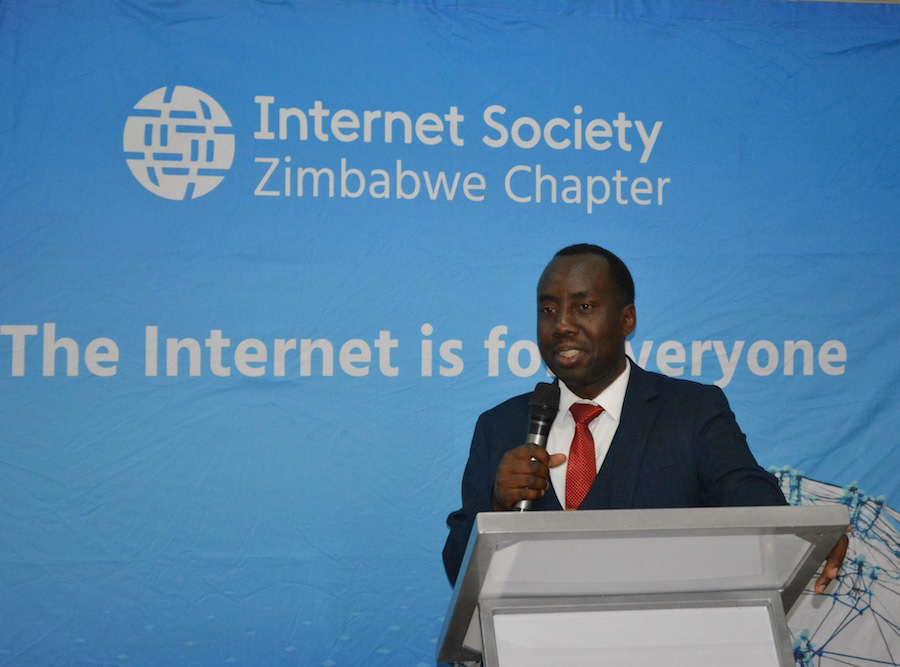
🇿🇼 Zimbabwe Chapter hosted a workshop focused on enhancing Internet connectivity in Zimbabwe by optimizing peering strategies. The event brought together industry experts, stakeholders, and community members to discuss effective approaches to reducing Internet costs. The workshop emphasized the importance of collaboration among local ISPs and international partners to improve infrastructure and connectivity.
Supporting a Secure and Trustworthy Internet
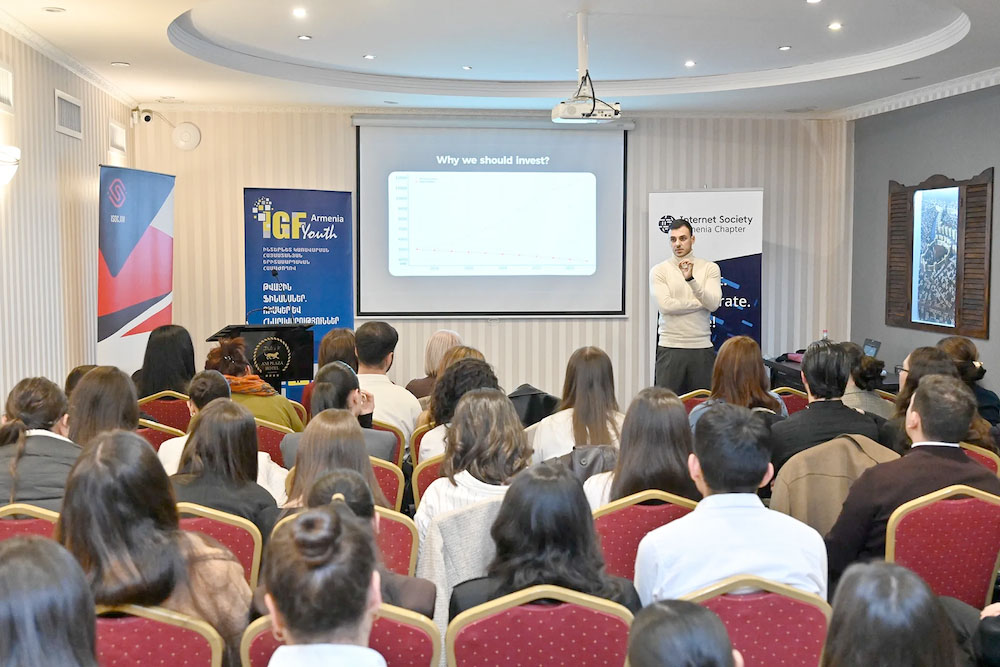
🇦🇲 Armenia Chapter brought together key stakeholders for two major events. The chapter hosted the 10th Armenia Internet Governance Forum (ArmIGF), which gathered 100 participants to discuss the country’s Internet challenges. Additionally, the chapter engaged the next generation of leaders through YouthIGF Armenia 2025, where 40 young people explored the risks and opportunities of digital finance.
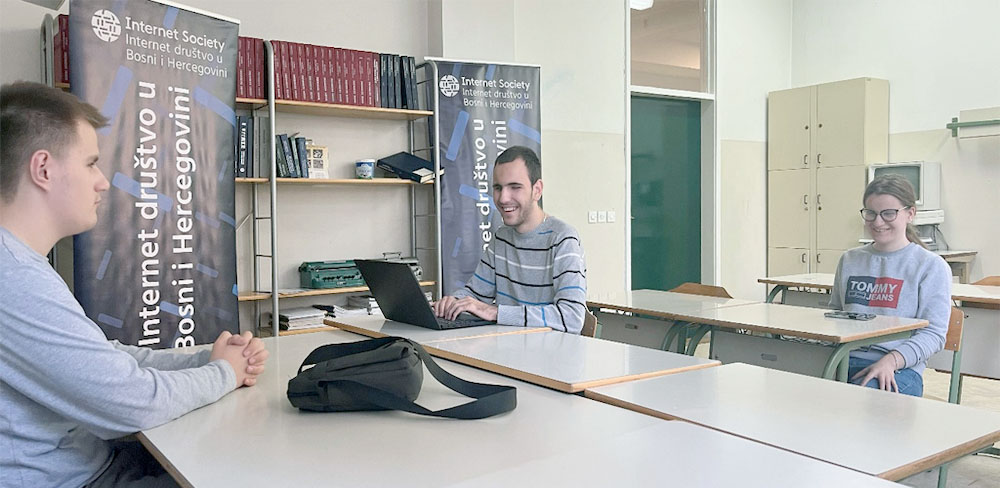
🇧🇦 Bosnia and Herzegovina Chapter focused on digital inclusion by organizing Internet safety training for visually impaired students. Tailored to the needs of assistive technology users, the session provided practical knowledge on recognizing online dangers and using screen readers efficiently, empowering participants to navigate the web independently.
🇧🇬 Bulgaria Chapter launched a grassroots outreach campaign to educate the public on the risks associated with the proposed EU CSAM regulation. The chapter connected with over 100 people to raise awareness about how mass screening of communications could erode online trust and safety.
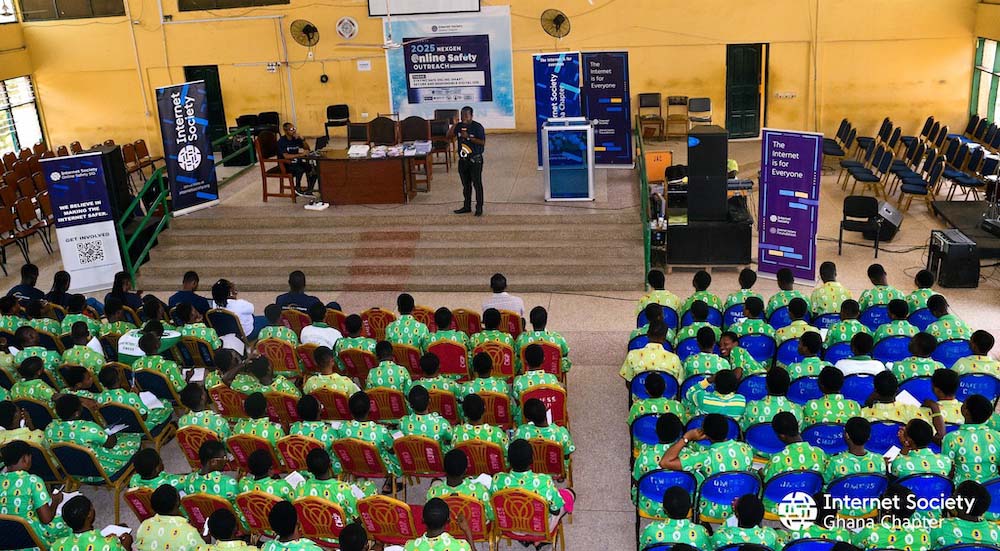
🇬🇭 Ghana Chapter organized a three-day NexGen Online Safety Outreach Project at Kpone Community Day Senior High School, engaging 350 students. Following this, the chapter organized a webinar focused on capacity building, titled “How to Find Funders and Partners.”
🇰🇪 Kenya Chapter took a stand for safer online spaces at the National Forum on Child Online Protection and Safety, hosted by the Kenya Communications Authority. They shared our resources (including the Parents’ Guide to Encryption) and advocated for regulations that protect children while preserving the Internet we want.
Strong encryption is the foundation for securing information and the Internet’s infrastructure. Join the Global Encryption Coalition to help us secure the Internet.
🇱🇧 Lebanon Chapter celebrated a massive success with the launch of the Parents’ Guide to Encryption, available in both Arabic and English. The event was held under the patronage of the Minister of AI and Technology. Over 20 different organizations attended, including critical stakeholders such as representatives from the security forces and cybercrime units, and journalists, demonstrating the guide’s relevance to diverse sectors. The Lebanon Chapter co-hosted the Internet Society’s session on Internet governance during Bread&Net 2025.
🇷🇸 Serbia Belgrade Chapter hosted a series of events centered around their flagship Descon 9 conference. The conference explored the theme “Trust and Power” with 80 attendees. Alongside the main talks, the chapter premiered the documentary “How to Build a Truth Engine” and organized a hackathon and workshop where participants built Klimerko air-quality monitoring devices to promote open hardware and citizen science.
🇸🇮 Slovenia Chapter continued its successful partnership with the Red Cross to bridge the digital divide. Through workshops using DIGIUP and INFINITY game-based learning tools, older adults were helped to acquire essential digital skills, focusing on Internet safety and data protection in a fun, relaxed environment.

🇹🇬 Togo Chapter is lighting up lives in Atti-Akape! After deploying a community network, the chapter launched the Digital Literacy Community School, empowering locals, many of whom were using the Internet for the first time, with essential digital skills to thrive and stay safe online. The first cohort empowered 40 people from the craft sector.
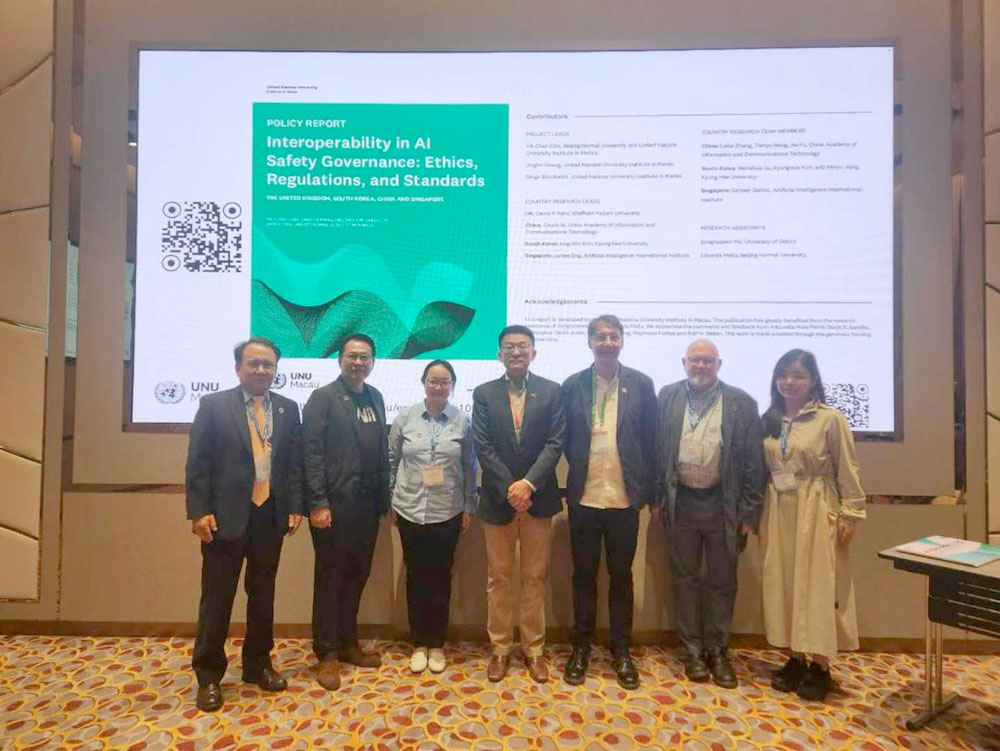
🇬🇧 United Kingdom Chapter was active in both technical and policy arenas. It presented the latest IPv6 Matrix data results to 150 attendees at the UK IPv6 Council AGM, continuing a 15-year project tracking IPv6 adoption. On the policy front, the chapter hosted a webinar on interoperability in AI safety governance, discussing cross-jurisdictional research with 87 participants.
Internet Governance
🇧🇩 Bangladesh Chapter co-organized the 20th Bangladesh Internet Governance Forum (BIGF), which was held in Dhaka from 31 October to 1 November 2025, with the theme “Building Digital Governance in Global South.”
🇨🇴 Colombia Chapter led a collective and intersectional dialogue at LAC IGF on inclusive digital transformation horizons, reflecting on challenges and opportunities faced by historically excluded groups in the context of inclusive digital transformation.
🇩🇴 Dominican Republic Chapter hosted the National Internet Governance Forum 2025, bringing together representatives from government, academia, civil society, the private sector, and the technical community to foster multisector dialogue on the country’s digital challenges and opportunities.
🇱🇾 Libya Chapter organized multiple sessions on Internet governance, multistakerholderism, and digital rights during Bread&Net 2025.
🇲🇱 Mali Chapter organized the 6th edition of the Malian School on Internet Governance (MaliSIG), which took place on 27, 28, and 29 November 2025. This three-day event provided a vital platform for exchange, training, and sharing on critical issues related to the global governance of the Internet, AI, and other related topics.
🇳🇬 Nigeria Chapter hosted a successful WSIS+20 review webinar as part of the Nigeria School of Internet Governance, inviting Internet Society staff experts to present. This was an opportunity to spotlight why engaging in global UN processes is essential to shaping the Internet.
Learn more about Internet governance: take a free, online course through Learning @ Internet Society.
🇳🇴 Norway Chapter held a post-event briefing on IGF 2025. Led by the host country co-chair, the session informed members about the outcomes of the IGF and discussed the path forward for global Internet policy.
🇵🇭 Philippines Chapter organized a Youth IGF 2025 Local Hub to raise awareness and foster discussion on Internet governance topics such as cybersecurity, AI, policies, and other Internet-related issues within the Asia-Pacific region.
🇻🇨 St Vincent and the Grenadines Chapter organized its 7th Internet Governance Forum, which focused on how AI can strengthen and also compromise digital rights and freedoms.
Connecting the Unconnected
🇸🇩 Sudan Chapter is actively working to ensure connectivity for those most affected by the extreme difficulties and humanitarian crises gripping the country. The chapter has begun coordinating with national telecommunications companies with the aim of providing Internet service in areas hosting displaced people from the city of El Fasher.
This step comes as part of the chapter’s commitment to the principle of “Internet for All,” and its pursuit of ensuring the continuity of communication and access to information, as well as digital humanitarian and educational services, especially for groups affected by displacement.
Cross-Community Collaboration
🇮🇩 Indonesia and 🇮🇳 India Chennai Chapters collaborated to lead Internet Society Online Trust and Safety pilot training! The chapters facilitated two sessions on protecting your device and privacy on apps. The 30 participants left with the key message: “as we connect more, we must protect more—because the Internet is for everyone, and privacy powers trust.”
Advocacy
🇮🇱 Israel Chapter influenced national policy and academia regarding online trust. It testified at a Knesset committee hearing on algorithmic scams to help legislators understand AI-based financial fraud. Additionally, they engaged over 100 students during a Tel Aviv University panel on disinformation and presented their Ballistic Fakes research report.
Other Chapter Activities
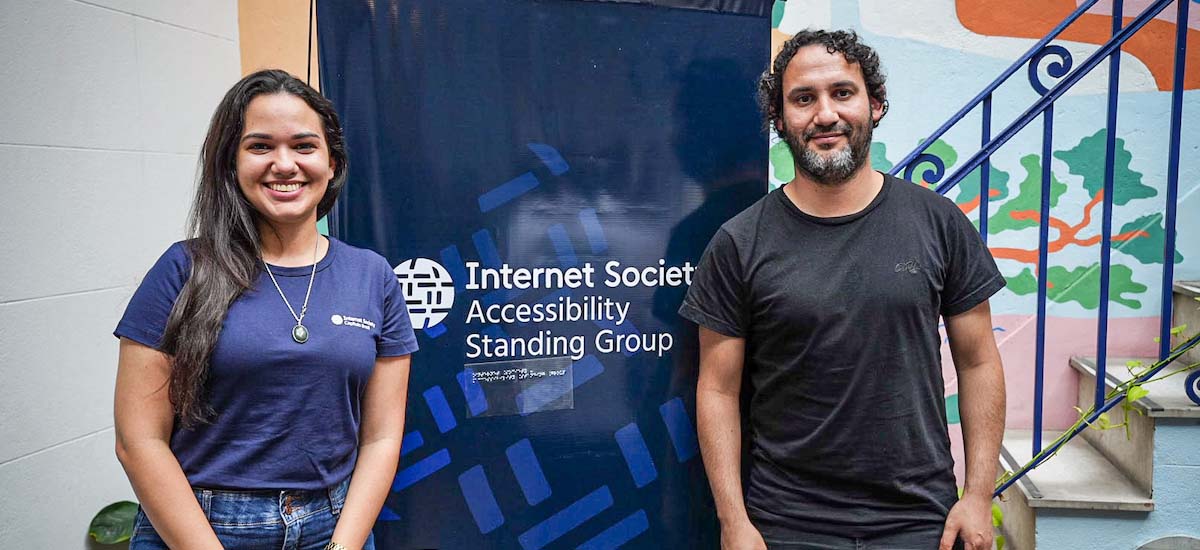
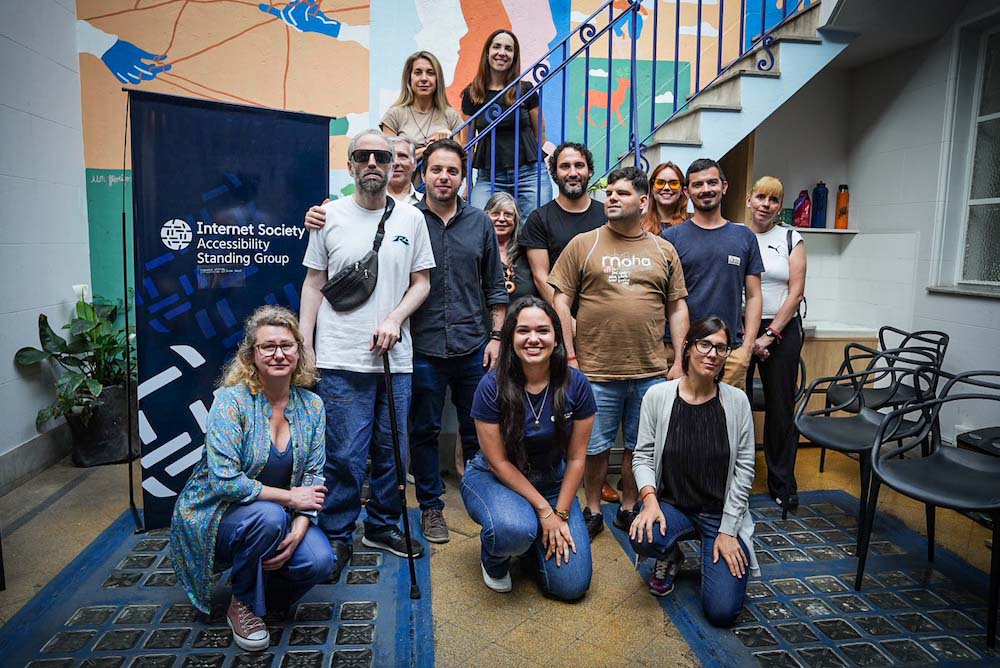
👁️🗨️ The Accessibility Standing Group (SG) held a workshop on accessibility principles in Argentina in collaboration with Asuntos Del Sur. The workshop hosted around 20 participants from government, academia, and the technical community who shared experiences on how people with visual impairments use mobile phones and AI applications.
🇧🇧 Barbados Chapter hosted Designing for Everyone: Building an Inclusive Web, a session that fostered a meaningful conversation on digital accessibility and inclusion.
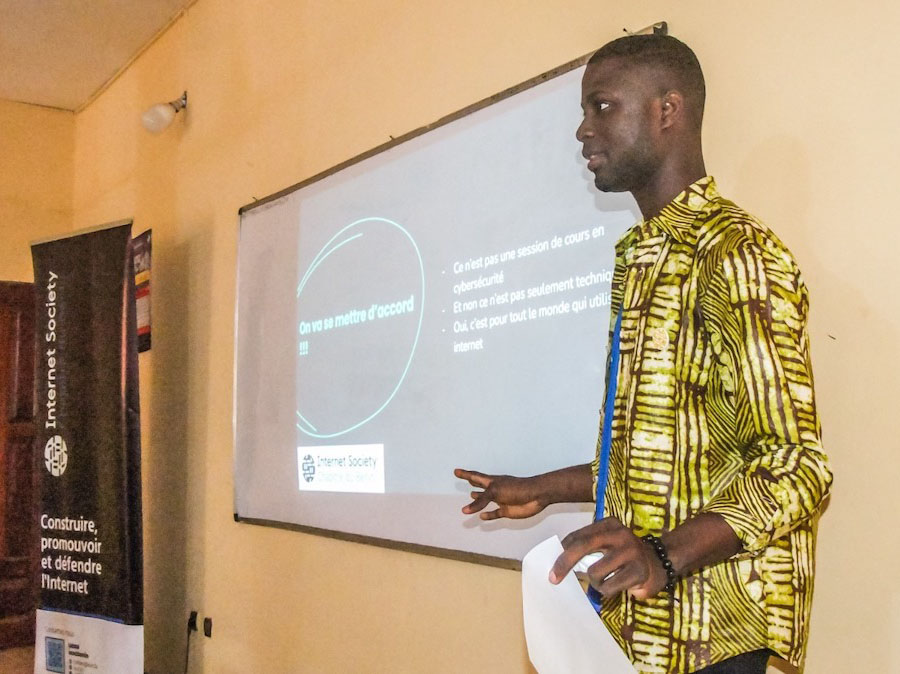
🇧🇯 Benin Chapter inspired the next generation at their “Internet for Jobs” workshop, where university students explored how to transform their digital passions into real-world careers. They also discovered how our free e-learning platform can be a game-changer.
🇳🇪 Niger Chapter hosted a webinar entitled “Réseaux sociaux: un enjeu pour la préservation de nos valeurs africaines” (Social Networks: a challenge for the preservation of our African values), initiating an important discussion on the cultural impact of digital platforms.
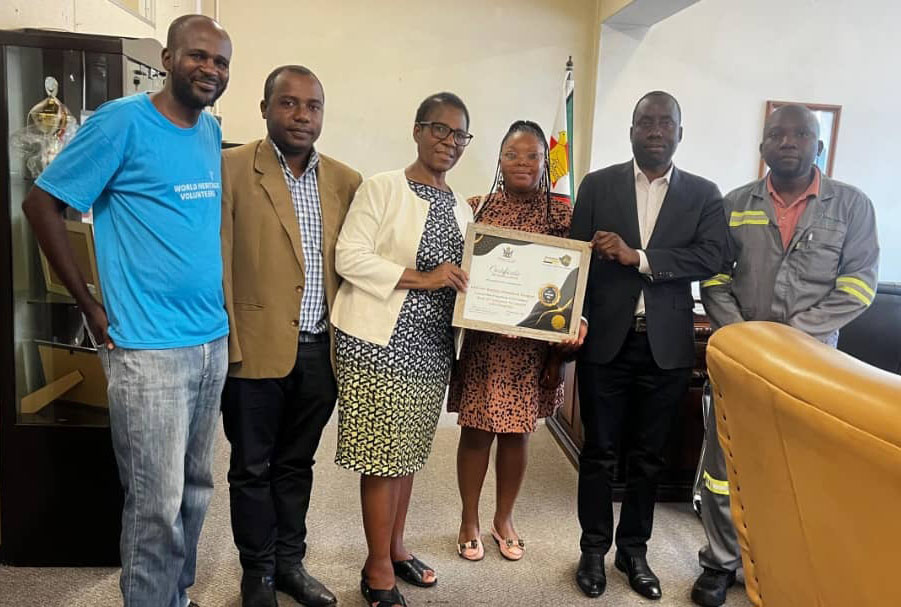
🇿🇼 Zimbabwe Chapter has won the first runner-up for the Digital Inclusion for Persons with Disabilities Award. This nomination specifically highlights the success of the chapter’s Basic ICT Skills Training Workshop for Persons with Disabilities in the Binga community. Through this and related efforts, the chapter has facilitated training for 598 individuals, with 69 completing Advanced ICT Skills training nationwide. These achievements represent lives changed, confidence restored, and new possibilities unlocked for participants.
Image © Internet Society Accessibility Standing Group, © Internet Society Zimbabwe Chapter, © Internet Society Armenia Chapter, © Internet Society Bosnia and Herzegovina Chapter, © Internet Society Ghana Chapter, © Internet Society Togo Chapter, © Internet Society United Kingdom Chapter, © Internet Society Accessibility Standing Group, © Internet Society Benin Chapter, © Internet Society Zimbabwe Chapter