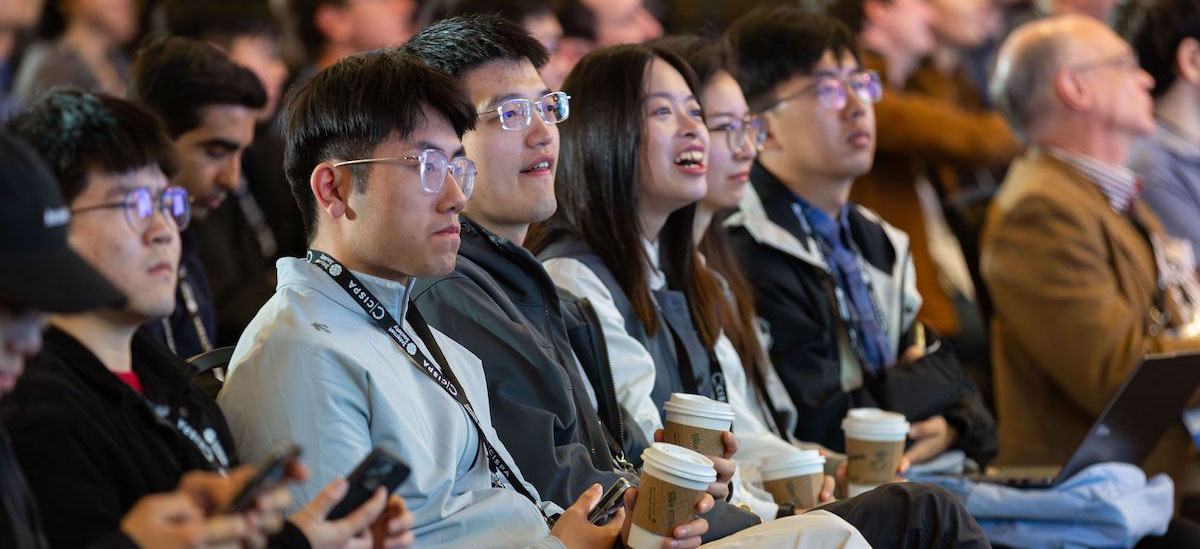

Was it the West Coast rainstorms the previous week? The East Coast blizzards immediately before the event that left numerous attendees stranded? Or maybe it was the further jump in submissions (up by around 300 compared to 2025), which gave the Program Committee, the AV crew, and the website administrators plenty to keep them busy? After all, they do say that people bond through shared hardship.
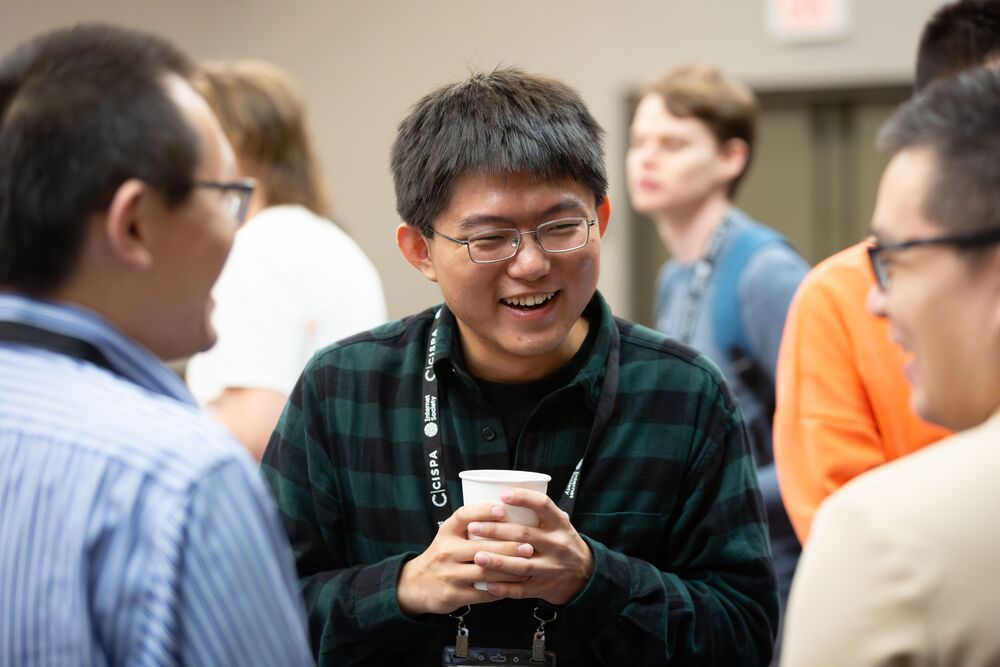
But no, I think the answer comes down to hitting the sweet spot in terms of substance, energy, and, honestly, the weather. Sunny lunchtimes and spectacular sunsets served as the perfect backdrop for the nearly 700 attendees from over 30 countries: communal spaces were full of animated conversations, creating a buzz that kept energy high throughout the week.
Ultimately, it was the presenters that made 2026 such an outstanding year for the Network and Distributed System Security (NDSS) Symposium. Our two keynote speakers, professors Will Enck and Dan Wallach, shared their insights into two of the perennial problems in secure, trustworthy computing.
Enck guided us through the complexities of securing the software supply chain (tl;dr: the famous XKCD “dependencies” cartoon, if anything, understates the problem of modern tech infrastructure’s over-reliance on open source maintainers), while Wallach revisited a theme familiar to anyone who saw Professor Herbert Bos’ keynote at the NDSS Symposium 2024: memory safety.
Wallach’s dual perspective—from academia and from the Defense Advanced Research Projects Agency (DARPA)—centered on DARPA’s “TRACTOR” project, which aims to remove one of the biggest sources of memory safety problems by translating existing C programs to memory-safe Rust.
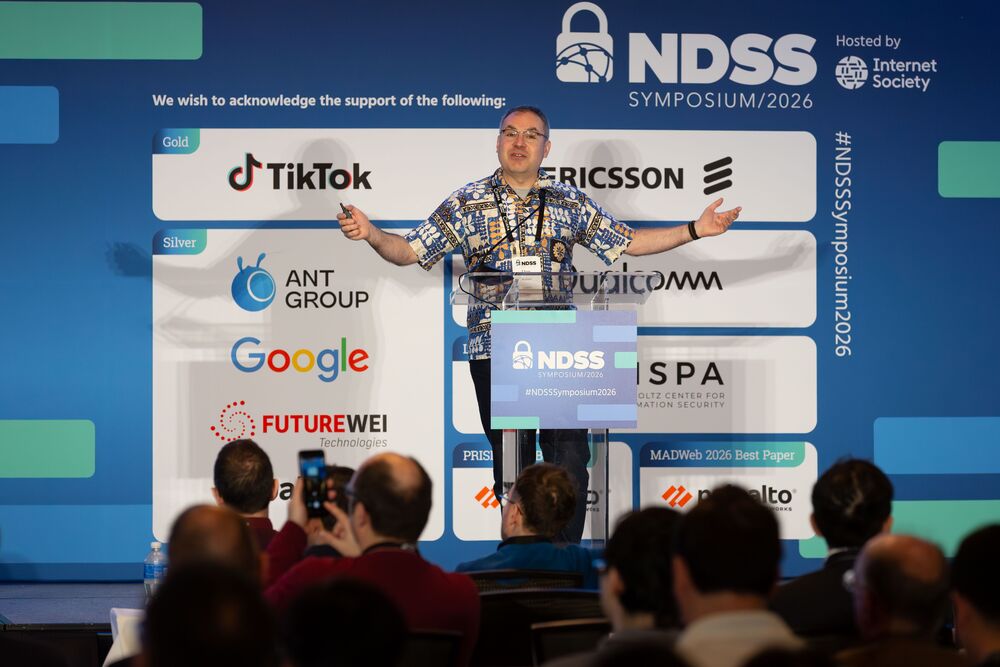
In all, there were 10 workshops, and participants presented over 190 papers, despite the blizzard’s best efforts. I want to thank the authors, the reviewers, the committee volunteers, and the back-room crews who make it all happen. But most of all, I want to thank the idea-generators, the connection-makers—in short, the conversation-starters. What you do is amazing. Please keep doing it.
For those of you who were unable to join us in person, rest assured that not everything has changed: We will make recordings of all the sessions available on YouTube in the coming weeks. In the meantime, you can find all the accepted papers and learn more about how the Internet Society is supporting a safer Internet in 2026.
We are close to announcing the venue for the NDSS Symposium 2027, which—as you may have heard from my plenary remarks—will take the event out of the US for the first time.
Subscribe to the NDSS Symposium newsletter to receive the location announcement as soon as it’s available!
Image © Wes Hardaker