
This month marks the 30th anniversary of a section of United States law that has been called “the 26 words that created the Internet.”
Three decades ago, in 1996, it was far from certain that billions of people would be directly connecting with each other in online communities, but it was beginning to become apparent that the Internet would quickly become integrated into our lives.
Some members of Congress recognized that the laws governing TV, newspapers, and telephones would not work in an online world where nearly anyone with an Internet connection could post their own content and connect with anyone else in the world.
They created Section 230, what is now one of the most misunderstood parts of Internet law.
What does Section 230 do and why does it matter?
- Policymakers created Section 230 for you, an Internet user, to share and access content more freely online.
- It enables platforms to moderate content for safer and more welcoming online communities.
- It protects the services that move the “0s and 1s” of code that make up the Internet from liability for their users’ content, so that you can watch a video, make a purchase, or get the latest news.
What doesn’t Section 230 do?
- It’s not a “get out of jail free” card for online services, big or small. Online services must remove illegal content and address criminal activity. Online services may also be held responsible for the design of their services and claims they make to users. They must follow privacy and consumer protection laws.
- It’s not a means for “censorship” or blocking content. It enables people to post and share content without first requiring corporate or government review.
Section 230 isn’t perfect, but people around the world continue to benefit from a safer, more open, and more interactive online experience because of Section 230 and similar laws modeled after it.
A (Very) Brief History of Section 230
Congress passed Section 230 in 1996 to give online platforms the freedom to moderate content in ways that best serve their users. Part of the story behind this section of law became a movie starring Leonardo DiCaprio, The Wolf of Wall Street.
A 1995 court ruling found the online forum Prodigy liable for a user post claiming a brokerage firm was committing fraud. The firm, Stratton Oakmont, sued both the anonymous user and Prodigy for defamation over the post. This resulted in a harmful incentive against moderating user content due to the legal risks.
The ruling would have made it incredibly difficult for the Internet to develop and put people at risk if online platforms couldn’t set community standards or moderate content. It would also have put Internet service and infrastructure providers at risk for storing and distributing data through the networks that make up the Internet.
US Senator Ron Wyden, then a member of the House of Representatives, and former Representative Chris Cox recognized the constraints of this decision. This is why they drafted what is now known as Section 230, signed into law as part of the Telecommunications Act on 8 February 1996.
Under Section 230, legal responsibility for online content is on the person or organization that creates and posts the content. The piece of law also enables computer services to moderate or remove content, such as hateful or harmful posts, to create a safer environment for people to post and talk to each other, without fear of litigation.
The economic and social benefits from the Internet that the United States experienced led other major governments to adopt similar rules, such as the Brazilian Marco Civil da Internet, and the EU e-Commerce Directive.
The Future of Section 230 and Online Safety
There are frequent calls to repeal or replace Section 230. That’s a difficult order and there would be many unintended consequences for regular people like you and me.
It’s true that our Internet experience has changed a lot in the past 30 years. We’ve gone from only having text-based bulletin board forums about cats and dogs, to being able to instantly access millions, if not billions, of photos and videos of the cutest animals online.
There are also understandable concerns about online safety and content moderation. We need to continue to develop policy and technology to address online harms. Section 230 is not the right tool to address those problems. Weakening it won’t fix those challenges—it would endanger how the Internet works and our ability to interact online.
Instead, privacy, transparency, and design-based rules offer a more promising path forward to limit harms and empower people with more control of their online experiences.
It’s easy to take today’s Internet for granted. The many ways we use the Internet—from learning with Wikipedia to checking online reviews or watching videos on social media—would not be available without Section 230. It also protects the ability of Internet service providers to store and distribute data across the tens of thousands of networks that make up the Internet.
The best way to protect Section 230 is to help educate and spread awareness. Share this post and our other resources about Section 230 and intermediary liability.
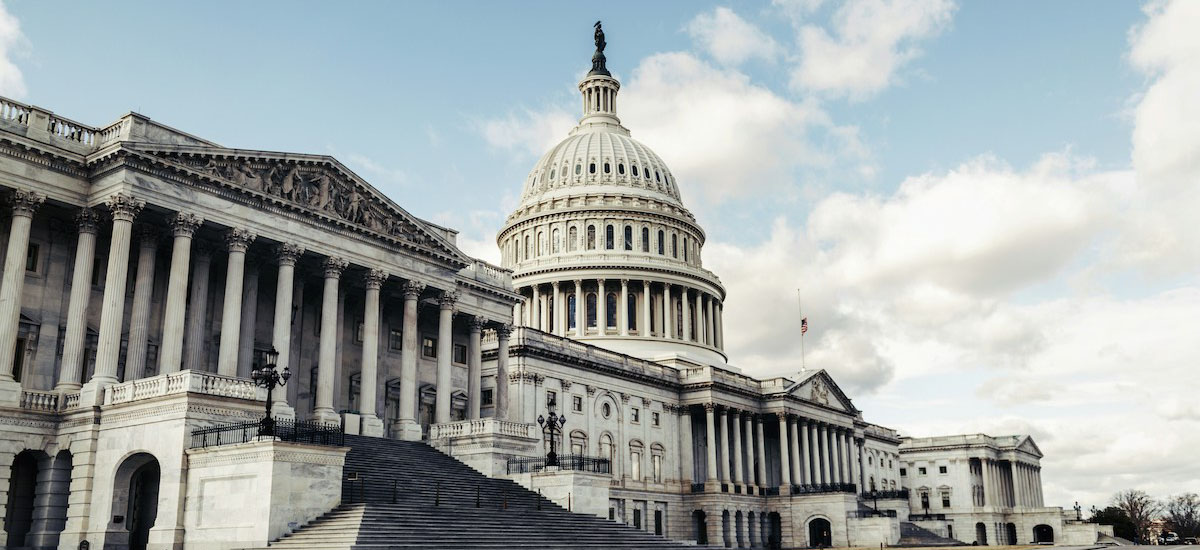
Image © Tim Mossholder via Unsplash