
This week is a pivotal one for the future of the Internet. National governments will convene at the United Nations headquarters in New York City to negotiate who will shape our digital future and how. It is critical that countries reaffirm their longstanding support for including the global Internet community’s stakeholders at the table.
In the Internet community, we know first-hand that if you include the best expertise from across disciplines and regions in the decision-making process, you can solve hard problems. This approach, known as the multistakeholder model, is unique in its ability to produce technically sound, people-centric policies.
Back in the early 2000s, as a young diplomat with the US State Department, I participated in the first UN World Summit on the Information Society (WSIS) meetings. It was, to say the least, a different time: the iPhone didn’t exist, and you needed a Harvard email address to get a Facebook account. Countries were optimistic about the potential of the Internet and eager to connect the world. But it was still quite new to most people, including those of us making decisions about how it would be governed.
It was fitting, then, that governments worldwide recognized that this new technology called for a new approach altogether. It was decided that the UN secretary general would regularly convene key stakeholders to deliberate Internet policy: governments, technical experts, civil society, policymakers, academia, and industry—not just tech companies, but businesses that manufacture and operate the infrastructure it takes to keep the Internet running.
The new model came with its own platform: the Internet Governance Forum (IGF). Non-binding in nature, the IGF was designed to ensure that a broad range of perspectives would inform decisions about the Internet.
Because the UN had never before created this kind of open, inclusive venue for stakeholders to come together, no one knew if it would be successful. Which is why the IGF was created as a temporary venue, its existence to be revisited on a regular basis.
The IGF quickly transformed from an idea into a global platform that enables open, inclusive, and informed discussions that shape global Internet and digital policy. A decade ago, the international community largely reconfirmed that the IGF was important. That it was delivering. Now they must decide, again, whether or not to renew it.
At next week’s WSIS High-Level Meeting, governments will present their visions for the future of the Internet. This moment is an opportunity for countries to set aside narrow national interests in favor of a global Internet that is accessible, open, and safe for everyone.
Reaffirming their commitment to the multistakeholder model and making the Internet Governance Forum permanent is critical, because the model works. Imperfectly, yes. But remarkably well: In 2025, the number of people without Internet connectivity is 2.2 billion, down from over 3.2 billion people a decade ago. For those in our line of work, we know that number is significant. It represents a 32% decline in unconnected people, even as the global population grows by 83 million people a year.
We know what it took to bring that number down: people and organizations working tirelessly to bring connectivity to hard-to-connect communities. The people building those connections and creating regulatory environments that support their work are the same people who attend and organize IGFs and share their learnings with peers across the globe. They are the ones bridging the digital divide.
That’s why we consider it so important for them to have the backing they need to succeed. The Internet Society has invested over $2 million USD in the past four years alone in not just the global IGF, but also the national, regional, and even sub-regional IGFs and Internet Governance Schools. And we are far from alone: in the past twenty years, the IGF ecosystem has evolved from a single global meeting into a highly productive ecosystem of over 180 national and regional IGFs with backing and support from across the global Internet community. Stakeholders make these significant investments because we see the change that comes from this bottom-up approach. We see the results.
And those results add up. The Internet Society’s community of chapters, organizations, individuals, and partners build community-centered networks, establish and maintain Internet exchange points to make connectivity more affordable, reliable, and resilient. They teach network operating and digital skills for privacy, safety, and security. They work with governments to develop policies that ensure people can connect, communicate, innovate, share, and stay safe online.
We’re extremely proud to stand alongside so many incredible organizations to help bring people to the table to shape the Internet. Because our community isn’t just at the table, we’re in remote mountain regions, we’re in communities displaced by conflict. Bringing affordable connectivity. Creating safer online experiences.
Without this community, who will push back when governments shut down the Internet? Who will brief policymakers on what good, technically sound, people-centric Internet regulations look like? Who will connect the remaining 2.2 billion people worldwide who are cut off from the promise of the Internet, unable to participate in the digital economy?
Twenty years after WSIS, we have entered an era of countries looking inward rather than outward. The promise of a free, open, and globally connected Internet is less attractive to some countries. Some governments want to limit the Internet to the confines of national borders, or to achieve some notion of digital sovereignty. Some want to control the Internet, even surveil their citizens online. These approaches risk compromising the core security of the very technologies, such as encryption, that keep us safe online. They also threaten the architectural principles of a global Internet, which our modern economy relies on.
To the governments negotiating at WSIS+20, I say: please don’t lose sight of the Internet’s promise of opportunity, development, and empowerment for people around the world. And what has enabled its success: the multistakeholder model.
By its very nature, technological developments move fast. The AI moment in which we find ourselves is a stark reminder of just how fast the landscape can shift. But without the Internet, there is no AI. How we steward this network shapes how all technology built on it plays out in our lives. The multistakeholder model has helped us navigate changes precisely because it is bottom up: the people on the ground who understand the stakes help steer our course.
Without a doubt, countries have valid concerns about the Internet that need addressing. The optimism of those early WSIS days has been dampened by issues most did not foresee, and that we struggle to resolve, like the prevalence of disinformation, scams, and concerns about online safety. But as I look back on the dramatic technological advances that have happened since those first WSIS meetings, and how the Internet has gone from novelty to necessity, I’m struck by just how much foresight the people in the room had about how best to steward the Internet’s evolution. If we’ve learned anything from the past 20 years, it’s that we need all the experts at the table to solve these hard problems.
In a world where so many experience globalization as a destabilizing force, the Internet is an example of how local efforts can shape global decision making for the good of people.
We should be proud of what we’ve built. And as members of the global Internet community, we must renew our efforts to ensure that the future of the Internet is written by those committed to making it a force for good. For everyone.
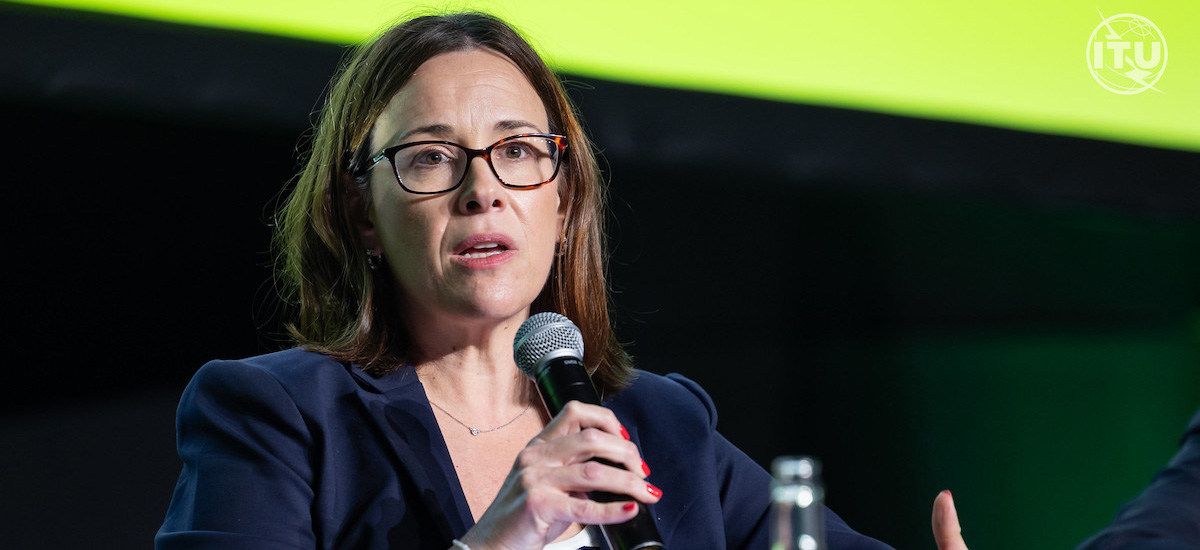
Image © Pierre Albouy for ITU