
Key Internet Policy Links
Key Internet Policy Links




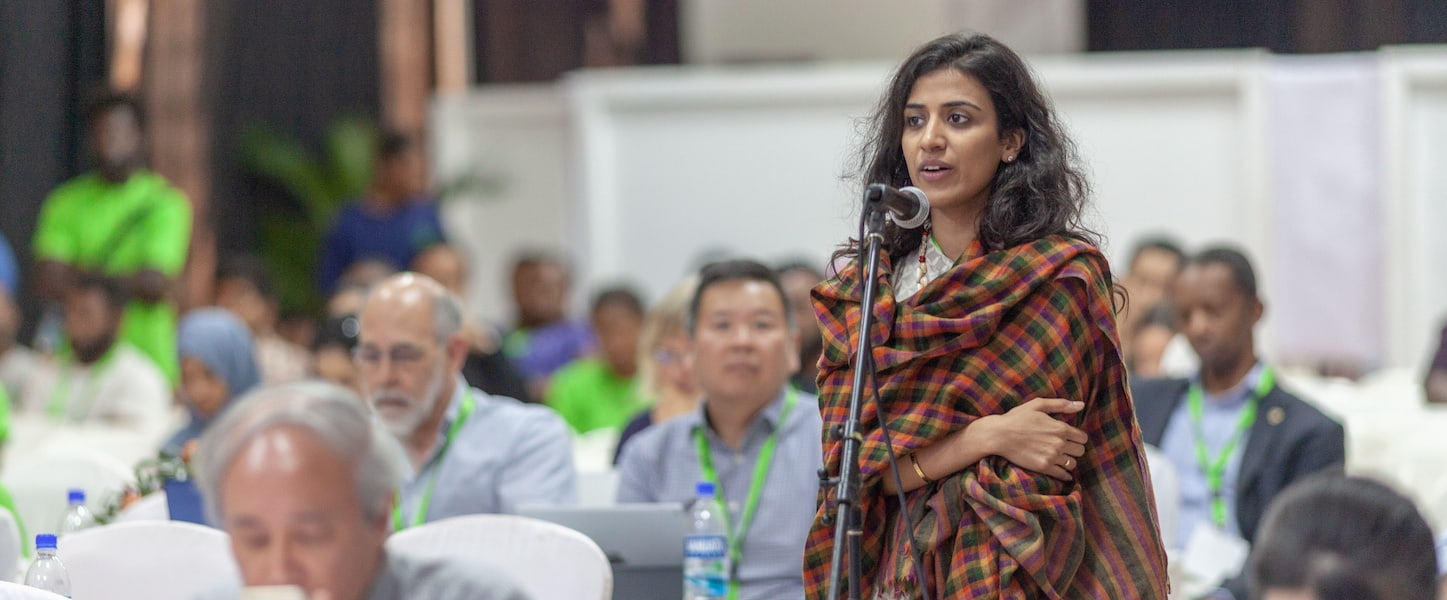
Encryption Protects Everyone
Encryption Protects Everyone
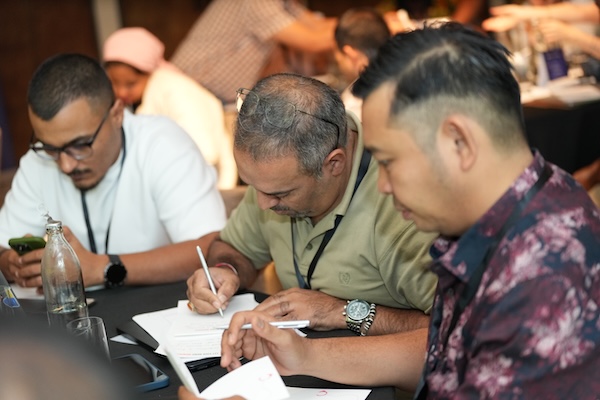
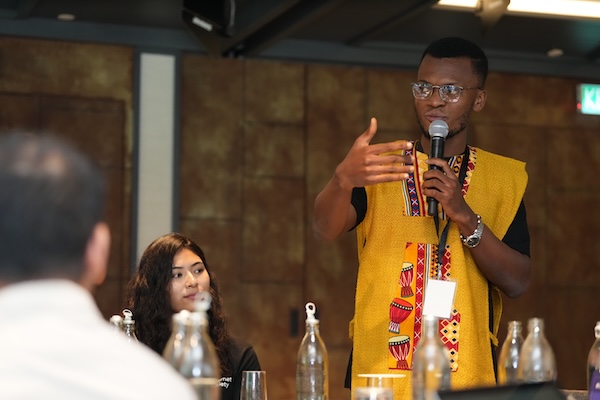
We organized a workshop in Brussels for civil society organizations to explore legislative threats to encryption and to develop joint policy strategies to help reach and inform policymakers about the importance of encryption for everyday users.
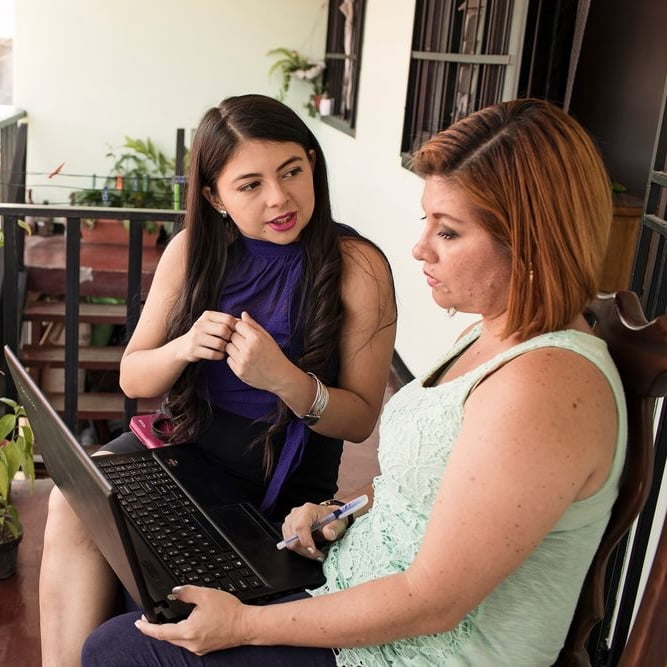
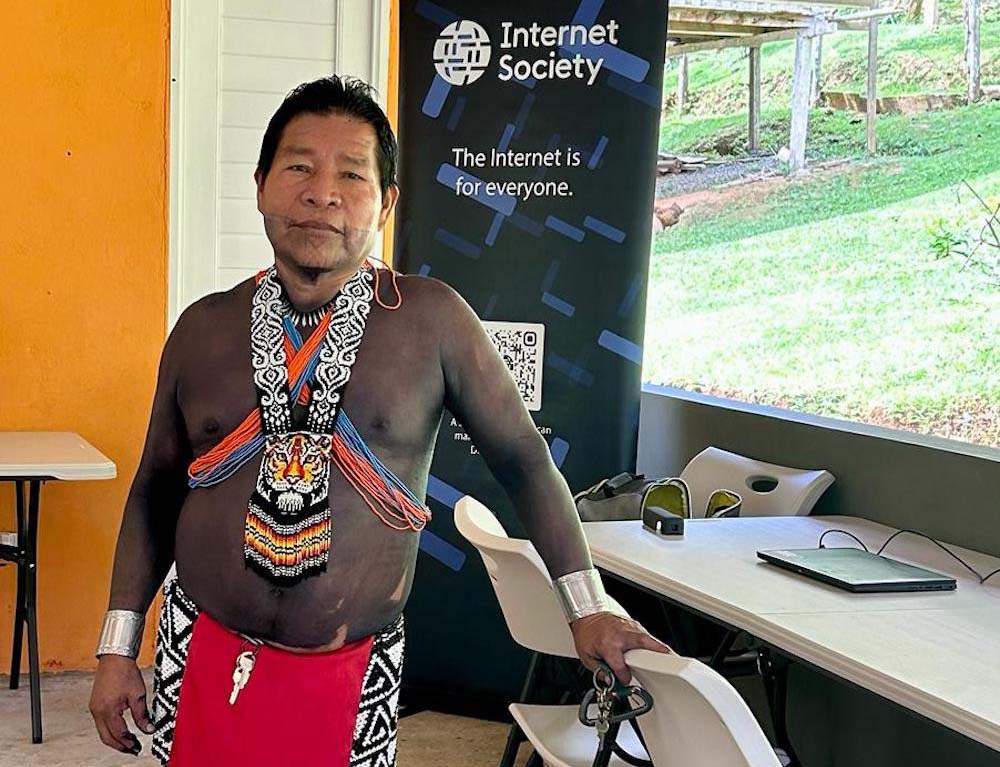
Hear from the participants about their experience and why they are passionate about advocating for strong encryption.
Latest Updates
Latest Updates

30 Years of Section 230: Why We Still Need It for a Safer Internet
This month marks the 30th anniversary of Section 230, a piece of US law that allows online platforms to moderate …
Spectrum: The Natural Resource That Makes Wireless Connectivity Work
Spectrum is one of the most essential—yet least visible—parts of the Internet ecosystem. It’s the foundation that enables billions of …
Middle East and Adjoining Countries School on Internet Governance (MEAC-SIG) 2026
Participate in MEAC-SIG 2026, a four-day in-person intensive program covering fundamental Internet governance issues …
“Fair Share” and the Digital Networks Act (DNA): Three Concerns
A critical look at the first draft of the Digital Networks Act, examining what it says, the assumptions it reflects, …
Navigating Data Governance, Privacy, Intermediary Liability, and Encryption in the Rapidly Digitalizing MENA
As MENA continues its rapid technological development, governments must shape digital policies that support innovation, investment, and an open Internet …
APRICOT 2026
The Internet Society has been a key supporter of APRICOT over the years, particularly its capacity-building and training programs. Join …
TechSequences Podcast: Dual Crisis: The Splintering of the Open Internet
In the TechSequences podcast, our President and CEO, Sally Wentworth, talked about what’s at stake if we don’t protect the …
Encryption Making Africa Safer: Internet Society Hosts Encryption Advocacy Workshop for African Civil Society
In September 2025, the Internet Society organized its first-ever Africa Cybersecurity (Encryption) Advocacy Workshop in Windhoek, Namibia, held alongside the …
WSIS+20 Reaffirms Multistakeholder Governance and a Lasting IGF
The outcome document of the World Summit on the Information Society (WSIS)+20 review reaffirms a commitment to the conditions that have …

Image copyright:
© Nyani Quarmyne, © Flawless Events, © Jordi Ruiz Cirera, © Flawless Events, creative commons, © Chris Gregory, © Nyani Quarmyne, © Wharton Image, © Internet Society, © Frederic Courbet/Panos Pictures