Blog
Get the latest updates on our efforts to ensure that the Internet is for everyone.
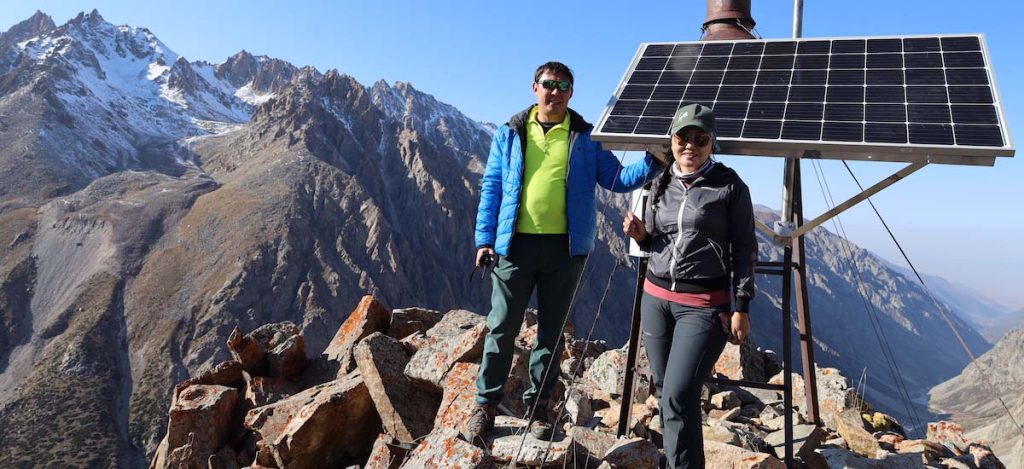
Connecting Remote Glaciers to Protect Communities in Kyrgyzstan
The Internet Society Kyrgyzstan Chapter is bringing connectivity to remote areas, enabling continuous data collection to keep communities safe.
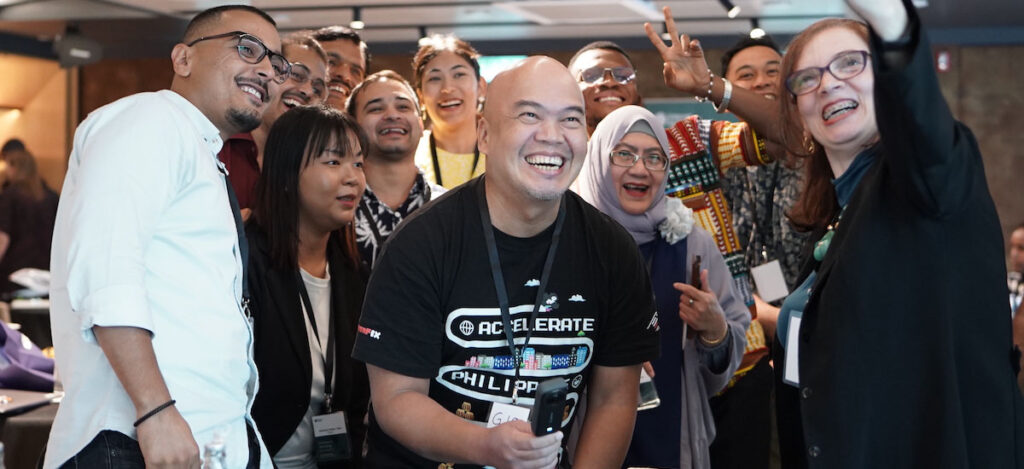
Cultivating Future Internet Advocates and Leaders: The Internet Society Community Advocacy Fellowship
Our Community Workshops are immersive capacity-building experiences designed to strengthen our community and support our Internet champions on the ground.

Safer Internet Initiative
Connectivity is essential, but not enough. Everyone deserves a safe Internet. Today, we are excited to share our Safer Internet Initiative, a project designed to protect people online.
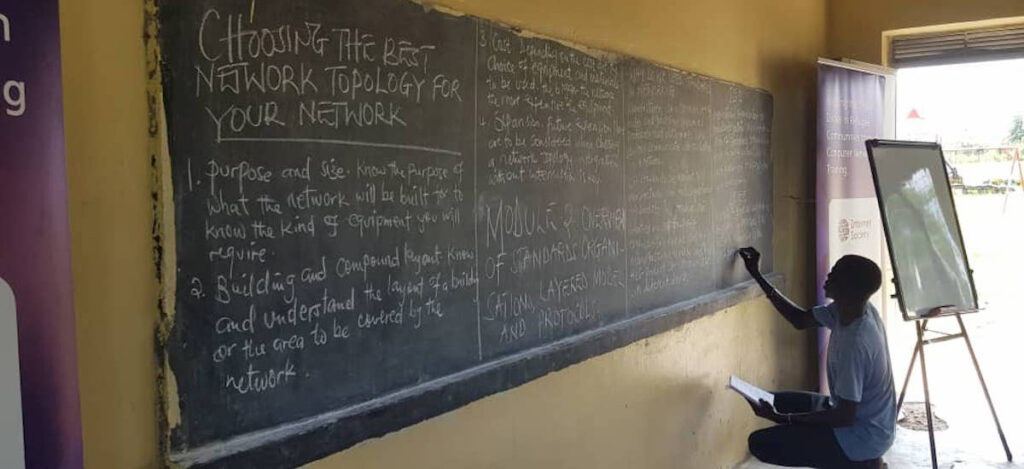
Learning to Build and Use the Internet in Rhino Refugee Camp
Connectivity in Uganda’s Rhino Camp Refugee Settlement is unreliable and expensive, limiting access to education, healthcare, and employment.We partnered with CETA to train residents on bringing connectivity to their community and the skills necessary to build and use the Internet.
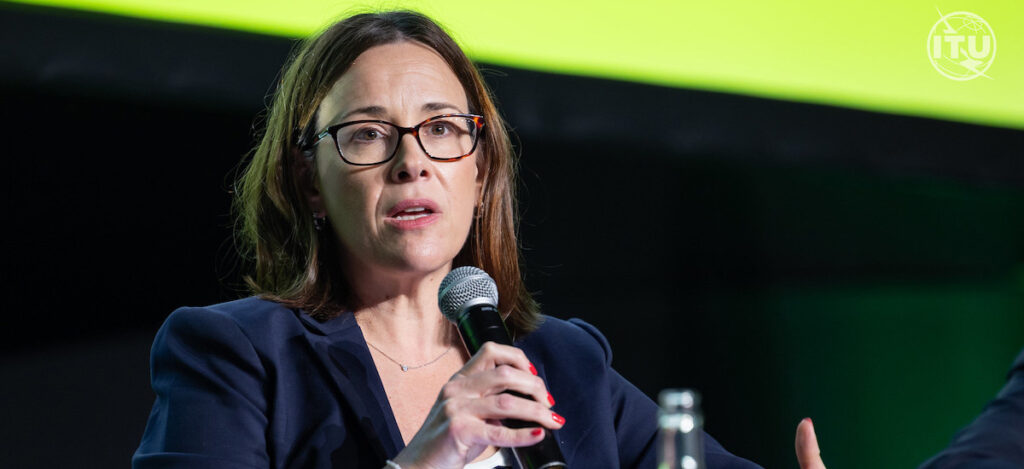
Why the UN’s Next Decision on Internet Governance Matters for Everyone
If you include the best expertise from across disciplines and regions in the decision-making process, you can solve hard problems.Hear from our president and CEO, Sally Wentworth, on why it’s critical that countries reaffirm their support for the multistakeholder model

The Shift in Peering Threatening the Internet’s Foundations
As more Internet service providers become virtual peering partners, they begin neglecting Internet exchange points …
Remembering Alan Barrett: A Builder of the African Internet
We were deeply saddened to learn of the passing of Alan Barrett, a long-time friend, colleague, mentor, and one of …
From Email to Case Study: What We Learned About Connecting Refugee Communities in Just One Year
In Uganda’s Rhino Camp Refugee Settlement, we worked with local partners to train refugees and members of the surrounding community …
Local Infrastructure, Lower Costs: How Peering Is Moving the Needle on Internet Affordability
Local infrastructure impacts Internet affordability for users: if the cost is lower and speed and reliability are higher, providers can …
On Global Accessibility Awareness Day, An Internet for Everyone Must Include Everyone
Today, 21 May, marks the 15th Global Accessibility Awareness Day (GAAD)–a day dedicated to getting everyone talking, thinking, and learning about digital …
An Open Fiber Data Standard to Make the Internet for Everyone
The Open Fibre Data Standard is an open data, open standards initiative to develop and implement a common language for …
How RightsCon Is an Unexpected Stress Test for the Multistakeholder Model of Internet Governance
The cancellation of RightsCon 2026 is a stark reminder that when opportunities for civic engagement are neutralized, so are stakeholders’ …
From Coverage to Meaningful Connectivity: How Kenya Is Leading Africa’s Internet Future
In Africa, where the connectivity discussion has traditionally focused on coverage, there’s a recent shift toward making access growth meaningful. Kenya …
Community Snapshot — April
Around the world, our community works locally, regionally, and globally to keep the Internet a force for good: open, globally …


© Ian Willms / Boreal / Panos